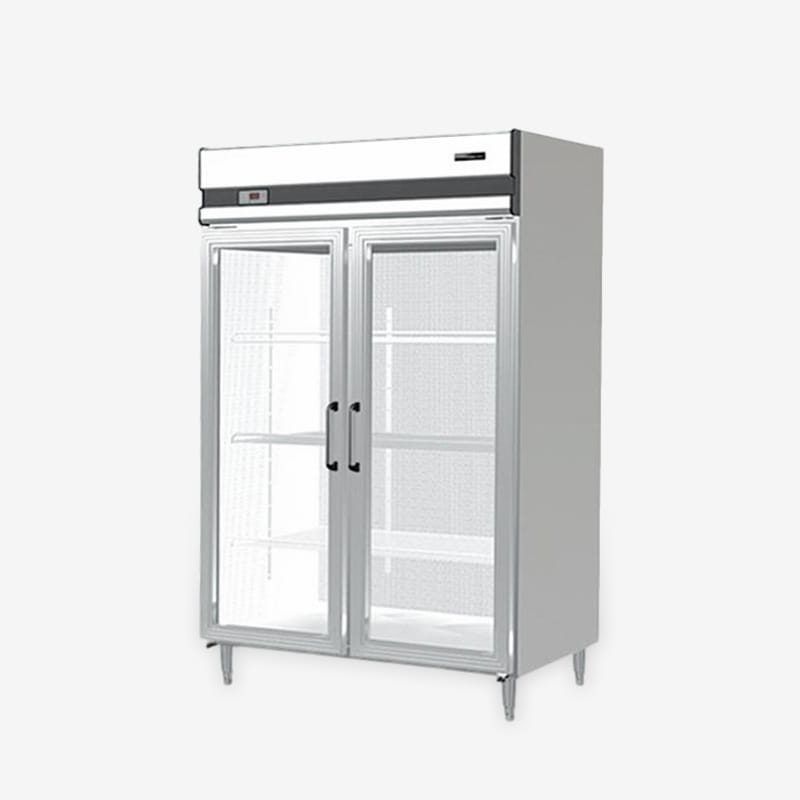
Preparing rice for hundreds or thousands of meals is very different from cooking for a household. Schools, SPPG kitchens, catering companies, factory canteens, hospitals, hotels and central kitchens need predictable output within a limited service window.
A commercial rice steamer in Indonesia uses stainless steel trays and controlled steam to centralize high-volume production. The correct machine can simplify batching, reduce the number of small rice cookers and make tray handling more organized.
However, tray count alone does not determine whether a machine is suitable. Buyers must also compare tested output, cooking time, gas or electrical requirements, water supply, drainage, cabinet construction, safety features, cleaning access and after-sales support.
This guide explains how to select a commercial rice steamer in Indonesia for school canteens, institutional kitchens, catering businesses and other high-volume meal-production projects.

Table of Contents
Why High-Volume Kitchens Use a Commercial Rice Steamer in Indonesia
A domestic rice cooker is convenient for small quantities, but operating many small units creates more plugs, more cooking containers, more cleaning work and greater variation between batches.
A commercial steaming cabinet centralizes production in one heavy-duty machine.
A properly specified commercial rice steamer in Indonesia can help a kitchen:
- Prepare several trays of rice during one production cycle
- Organize rice output by serving line or delivery route
- Reduce the number of separate cooking appliances
- Use different tray types for rice and other steamed foods
- Move completed trays directly to holding or portioning areas
- Standardize cleaning and tray-storage procedures
- Support repeatable production during peak meal periods
The machine does not automatically guarantee good rice. The final result still depends on rice variety, washing, soaking, water quantity, tray loading, steam distribution and operating procedure.
For this reason, buyers should ask the manufacturer to explain the tested cooking method instead of relying only on an advertised maximum capacity.
Who Needs a Commercial Rice Steamer in Indonesia?
The strongest applications are kitchens that must produce many meals within a clearly defined preparation and serving period.
Typical users include:
- School and university canteens
- SPPG and institutional meal-service kitchens
- Catering companies
- Factory and employee canteens
- Hospitals and care institutions
- Hotels and resorts
- Central kitchens
- Government and military facilities
- Large restaurants
- Food-production businesses
Indonesia’s MBG program and expanding SPPG kitchen network have increased attention on high-volume meal production, hygiene, equipment reliability and accountable foodservice operations. BPOM school food-safety activities also assess hygiene and sanitation in food processing, storage and serving—not only the cooking appliance.
A rice steamer should therefore be treated as one part of a complete kitchen workflow.
Project buyers can review Bafang’s commercial kitchen equipment solutions when planning washing, preparation, cooking, storage and serving areas.
Common Product Names Used in Indonesia
Indonesian buyers may use several different English and Bahasa Indonesia terms for the same type of machine:
commercial rice steamer
gas rice steamer
industrial rice steamer
rice steaming cabinet
heavy-duty rice cooker
mesin pengukus nasi
mesin penanak nasi kapasitas besar
rice steamer 12 tray
rice steamer 24 tray
lemari pengukus nasi
steamer nasi untuk dapur MBG
mesin rice steamer untuk katering
When requesting a quotation for a commercial rice steamer in Indonesia, specify the required cooked-rice output, tray dimensions, energy source and project destination rather than sending only a product name.
This avoids confusion between a large domestic rice cooker, a tray-type rice steamer and a fully enclosed commercial steaming cabinet.
How to Size a Commercial Rice Steamer in Indonesia
A common purchasing mistake is asking for a 12-tray or 24-tray machine before calculating how much cooked rice is required during the busiest serving period.
Begin with the number of meals and the planned cooked-rice portion.
Cooked rice required per service = number of meals × cooked rice portion per mealFor example, a kitchen serving 1,000 meals with 150 grams of cooked rice per meal needs:
1,000 × 150 g = 150 kg of cooked riceNext, determine how many complete cooking cycles can realistically be finished before service begins.
Required output per cooking cycle = total cooked rice required ÷ available cooking cyclesIf the kitchen can complete two dependable cycles, the rice steamer must produce approximately 75 kilograms of cooked rice per cycle.
The project may then add additional capacity for:
- Changes in meal quantity
- Delayed production
- Equipment recovery time
- Menu changes
- Future growth
- Emergency replacement batches
This calculation is more useful than assuming every tray produces the same number of portions.
Tray dimensions, tray depth, rice variety, water quantity and the manufacturer’s recommended loading method all affect actual output.
Before selecting a commercial rice steamer in Indonesia, ask the supplier to state capacity in several ways:
- Number of trays
- Tray length, width and depth
- Recommended raw rice load per tray
- Expected cooked rice output per tray
- Preheating time
- Tested cooking time
- Maximum output per complete cycle
- Number of recommended cycles per shift
- Conditions used during the capacity test
If the supplier cannot explain how its capacity figure was calculated, the quotation is difficult to verify.
Comparing 8-Tray, 12-Tray and 24-Tray Rice Steamers
Indonesian commercial equipment listings commonly include 8-tray, 12-tray and 24-tray configurations. Some suppliers also provide smaller 4-tray machines and larger 36-tray models.
Actual output differs significantly between manufacturers because tray dimensions, tray loading and cabinet construction are not standardized.
| Configuration | Potential application | Main question to confirm |
|---|---|---|
| 4–8 trays | Smaller restaurants, satellite kitchens and limited-volume catering | Can it meet peak output without requiring too many cycles? |
| 10–12 trays | Medium school canteens, catering kitchens and restaurants | What is the tested rice load per tray? |
| 20–24 trays | Large schools, factories, central kitchens and institutional kitchens | Can the site support the required gas, water, drainage and floor space? |
| Double-door or larger | High-output central kitchens and multi-route meal preparation | Can each chamber operate independently, and how is steam distributed? |
A larger commercial rice steamer in Indonesia is not automatically a better investment.
If a 24-tray cabinet is regularly operated at a very low load, it may occupy more space and require more infrastructure than the kitchen needs.
However, an undersized machine may require too many cooking cycles. This creates production pressure and leaves little recovery time when a batch is delayed.
The correct model balances:
Peak output
Cooking time
Number of available cycles
Labor availability
Kitchen space
Utility capacity
Reserve capacity
Operating cost
Gas or Electric Commercial Rice Steamer in Indonesia
Both gas and electric rice steamers can work in Indonesia. The correct option depends on the building, local utilities, operating cost and maintenance capability.
Gas Rice Steamer
A gas-powered commercial rice steamer in Indonesia may be suitable when:
- LPG or another approved gas supply is available
- The site has limited electrical capacity
- The kitchen already operates commercial gas equipment
- Fast heat recovery is important
- The operator has trained gas-equipment staff
- Adequate ventilation can be provided
The buyer should confirm:
- LPG, natural gas or another fuel type
- Required inlet pressure
- Regulator specification
- Gas hose and connection type
- Burner configuration
- Ignition method
- Flame-failure protection
- Maximum gas consumption
- Combustion-air requirements
- Local installation requirements
Imported gas equipment should never be connected using assumptions based on another country’s pressure or connection standard.
The machine specification and the actual site conditions must be reviewed by a qualified local installer.
Electric Rice Steamer
An electric rice steamer may be suitable when:
- The building has sufficient electrical capacity
- Gas installation or storage is restricted
- The project prefers an all-electric kitchen
- Electrical maintenance is easier for the local team
- The kitchen can provide a dedicated electrical circuit
- The specified voltage, phase and frequency are available
Large electric steamers can require significant power. Depending on the model, three-phase electricity may be necessary.
Before manufacturing, the supplier should provide:
- Rated power
- Voltage
- Frequency
- Single-phase or three-phase configuration
- Recommended cable size
- Circuit protection requirement
- Electrical wiring diagram
- Grounding requirement
- Control-component specification
Bafang’s double-door rice steaming cabinet is currently presented with gas and electric options, a 24-tray configuration, multifunctional steaming and dry-burn protection. Buyers should still request a model-specific specification because the final configuration can vary by project.
Utility Requirements for a Commercial Rice Steamer in Indonesia
A commercial rice steamer in Indonesia needs more than an energy connection.
Steam production requires a stable water supply, while cleaning and tank discharge require suitable drainage.
Before approving the machine, confirm:
- Water inlet diameter
- Minimum and maximum inlet pressure
- Manual or automatic water filling
- Automatic water-level control
- Low-water protection
- Water filter recommendation
- Water quality requirement
- Drain outlet size
- Drain-water temperature
- Floor-drain location
- Steam exhaust direction
- Required clearance around the machine
Minerals in the water can form deposits inside the tank or heating area. Over time, this can reduce heating efficiency and increase maintenance requirements.
The supplier should explain:
- How the water tank is inspected
- How deposits are removed
- Which descaling method is permitted
- How frequently cleaning should be performed
- Which parts are affected by water quality
The project team should evaluate local water conditions rather than assuming one filtration method is suitable for every Indonesian city or region.
Steam must not discharge toward:
- Kitchen employees
- Electrical panels
- Low ceilings
- Walls that are difficult to dry
- Nearby refrigeration equipment
- Frequently used walkways
The layout should provide enough ventilation to control heat, steam and humidity.
Tray Selection for a Commercial Rice Steamer in Indonesia
Commercial rice steamers may use non-perforated trays, perforated trays or both.
Non-Perforated Trays
A non-perforated tray retains water and is commonly used for:
- Rice
- Dishes containing liquid
- Selected vegetables
- Fish
- Prepared foods that need to retain sauce or moisture
Perforated Trays
A perforated tray allows steam to circulate through the food and may be used for:
- Steamed buns
- Dumplings
- Corn
- Vegetables
- Selected meat products
- Other steam-cooked foods
When comparing a commercial rice steamer in Indonesia, confirm:
- Tray outside dimensions
- Usable inside dimensions
- Tray depth
- Stainless steel grade
- Stainless steel thickness
- Recommended rice load
- Edge and handle construction
- Perforation dimensions
- Replacement-tray availability
- Compatibility with transport carts and holding equipment
Do not assume trays from another manufacturer will fit simply because both machines are described as “12 tray” or “24 tray.”
For a school or central kitchen, matching tray dimensions with worktables, carts and holding equipment can reduce handling.
The project should confirm that kitchen employees can safely move a hot tray from the steamer to a landing table or cart without transferring the food into another container.
Test the Machine with the Rice Used by the Buyer
Rice variety and preparation methods affect:
- Water absorption
- Expansion
- Texture
- Cooking time
- Cooked weight
- Holding performance
A machine tested with one rice variety may produce different results when used with another.
Before placing a large order, the buyer should conduct or request a cooking test based on the actual operating method.
Provide the manufacturer with:
- Rice variety or supplier
- Raw rice quantity per tray
- Washing procedure
- Soaking time
- Water quantity
- Desired finished texture
- Expected cooked weight
- Holding time after cooking
- Number of consecutive batches
A reliable supplier of a commercial rice steamer in Indonesia should explain the complete test method.
A useful testing video should show:
Raw rice measurement
Tray loading
Water addition
Machine startup
Preheating
Cooking time
Finished rice
Cooked weight
Rice texture at different tray positions
A short video showing only steam leaving the cabinet does not demonstrate output or cooking consistency.
Distributors should also develop a standard operating recipe. Many complaints attributed to the machine may actually be caused by:
- Excessive tray loading
- Incorrect water quantity
- Inconsistent soaking
- Blocked steam circulation
- Incorrect cooking time
- Opening the door too early
- Mixing different rice varieties in one test
Stainless Steel Grade Is Only Part of Equipment Quality
Many buyers focus on whether a rice steamer is made from 201 or 304 stainless steel.
Material grade is important, but it does not define equipment quality by itself.
Buyers should evaluate:
- Cabinet-body stainless steel grade
- Food-contact tray material
- Tray thickness
- External panel thickness
- Internal frame and reinforcement
- Water tank material
- Welding quality
- Treatment of welded areas
- Door-hinge strength
- Locking structure
- Gasket material
- Insulation type and thickness
- Caster or leg capacity
- Access to service components
Wet, humid and frequently cleaned environments may justify stronger corrosion resistance. However, the final specification should also reflect:
- Water quality
- Cleaning chemicals
- Coastal exposure
- Kitchen humidity
- Daily operating hours
- Budget
- Expected service life
A thin, poorly reinforced cabinet may perform badly even when the advertised steel grade appears attractive.
Ask the supplier for:
- Actual panel thickness
- Tray thickness
- Material declaration
- Dimensioned drawing
- Close-up production photos
- Welding photos
- Internal frame photos
Safety Features to Request
A commercial rice steamer in Indonesia involves heat, steam, water, gas or a high electrical load.
Safety should be verified in the technical specification rather than described only with general phrases such as “safe to use.”
Depending on the model, useful safety features may include:
- Low-water protection
- Dry-burn protection
- Automatic water-level control
- Flame-failure protection
- Over-temperature protection
- Controlled steam exhaust
- Heat-resistant door handles
- Secure door latches
- Temperature-resistant door gaskets
- Electrical grounding
- Clearly labeled controls
- Emergency shut-off access
- Lockable casters
- Protection against water entering electrical components
Ask the manufacturer:
- What does each safety device do?
- How is it tested?
- Does the machine stop automatically?
- How is the device reset?
- Can the component be replaced locally?
- Is the replacement included in the spare-parts list?
A safety feature that cannot be serviced locally can create extended downtime.
Employees must also be trained to:
- Release steam safely
- Stand clear when opening the door
- Use heat-resistant gloves
- Avoid overloading trays
- Follow startup and shutdown procedures
- Report damaged seals or locks
- Keep the floor around the machine dry
Food Safety Around a Commercial Rice Steamer in Indonesia
A rice steamer can make high-volume production more organized, but it cannot correct poor ingredient handling or an unsafe kitchen layout.
The WHO Five Keys to Safer Food emphasize keeping clean, separating raw and cooked food, cooking thoroughly, maintaining safe temperatures and using safe water and raw materials.
BPOM school food-safety activities also evaluate hygiene and sanitation in food processing, storage and serving. The FAO Good Hygiene Practices and HACCP Toolbox additionally covers facility and equipment design, training, maintenance, cleaning, personal hygiene and operational control.
A commercial rice steamer in Indonesia should be positioned within a clear production flow:
Rice receiving
↓
Dry storage
↓
Rice washing
↓
Tray loading
↓
Steaming
↓
Holding
↓
Portioning
↓
Serving or dispatch
Used trays should return through a separate cleaning route:
Dirty tray return
↓
Pre-rinse
↓
Washing
↓
Sanitizing
↓
Drying
↓
Clean tray storage
The steaming cabinet should not be positioned where dirty utensils cross prepared rice or finished meals.
Nearby stainless steel worktables can support tray loading and portioning.
Suitable commercial stainless steel sinks are also required for rice washing, utensil cleaning and tray-cleaning activities.
Installing a Commercial Rice Steamer in Indonesia
Indonesia’s warm and humid conditions make ventilation, drainage and drying especially important.
The installation area should provide:
- A level and load-bearing floor
- Non-slip flooring
- Accessible floor drainage
- Adequate natural or mechanical ventilation
- Safe clearance from walls
- Protection for electrical components
- Space to open the doors fully
- Room for loading and unloading trays
- A nearby landing table or tray cart
- A cleaning route that does not flood the machine base
- Safe access to gas, electrical and water shut-off points
Do not install a commercial rice steamer in Indonesia directly beside refrigeration equipment if heat and steam will reach the condenser or frequently opened cold-storage doors.
Where possible, separate high-heat equipment from:
- Refrigerators
- Freezers
- Cold preparation tables
- Dry ingredient storage
- Electrical distribution panels
The buyer should also measure:
- Building entrance
- Kitchen entrance
- Corridor width
- Elevator dimensions
- Stairway clearance
- Loading-dock height
- Turning space
- Ceiling height
A large double-door rice steamer may fit the kitchen floor plan but fail to pass through the building entrance.
This check should be completed before production, not after the equipment arrives in Indonesia.
Cleaning and Daily Maintenance
Daily cleaning should be simple enough for employees to perform consistently.
A practical daily procedure may include:
- Shut down the machine according to the manual
- Allow the temperature and steam pressure to reduce
- Remove all trays
- Wash trays separately
- Drain the water tank
- Remove rice particles and food residue
- Clean internal surfaces
- Inspect steam outlets
- Check the door gasket
- Wipe the exterior
- Dry the surrounding floor
- Record abnormal sounds, leaks or control issues
Periodic maintenance may include:
- Descaling the water tank
- Cleaning burner components
- Inspecting electrical terminals
- Checking water valves
- Replacing door gaskets
- Testing safety controls
- Adjusting hinges and latches
- Inspecting casters
- Checking gas connections
- Examining heating elements
Before purchasing a commercial rice steamer in Indonesia, request a maintenance schedule and recommended spare-parts list.
Potential spare parts may include:
- Door gasket
- Heating element
- Water-level sensor
- Solenoid valve
- Burner component
- Ignition component
- Thermostat
- Temperature controller
- Indicator light
- Door latch
- Caster
- Replacement tray
A small spare-parts package can be more valuable than waiting several weeks for an inexpensive component after the machine stops operating.
Importing a Commercial Rice Steamer in Indonesia
Imported foodservice equipment must be assessed according to the specific project and current Indonesian requirements.
A supplier should not claim that a general export model automatically satisfies every Indonesian tender, gas, electrical, food-contact or documentation requirement.
Before ordering a commercial rice steamer in Indonesia, the importer or project consultant should confirm:
- Applicable import classification
- Required import documents
- Current electrical requirements
- Current gas-equipment requirements
- Food-contact material documentation
- Bahasa Indonesia labeling requirements
- Bahasa Indonesia manual requirements
- Voltage
- Frequency
- Electrical phase
- Gas type
- Gas pressure
- Regulator and connection requirements
- Destination port
- Inland delivery restrictions
- Installation responsibility
- Warranty procedure
- Local technical support
- Spare-parts stocking plan
For an SPPG, school or public-sector project, the buyer must use the current official project specification.
This article is a general purchasing guide. It does not replace:
- BGN requirements
- Tender documents
- Import regulations
- Local authority requirements
- Gas installation rules
- Electrical installation rules
- Professional engineering advice
Equipment should not be described as “BGN approved,” “SPPG certified” or “officially approved for MBG” unless that status can be supported with valid documentation.
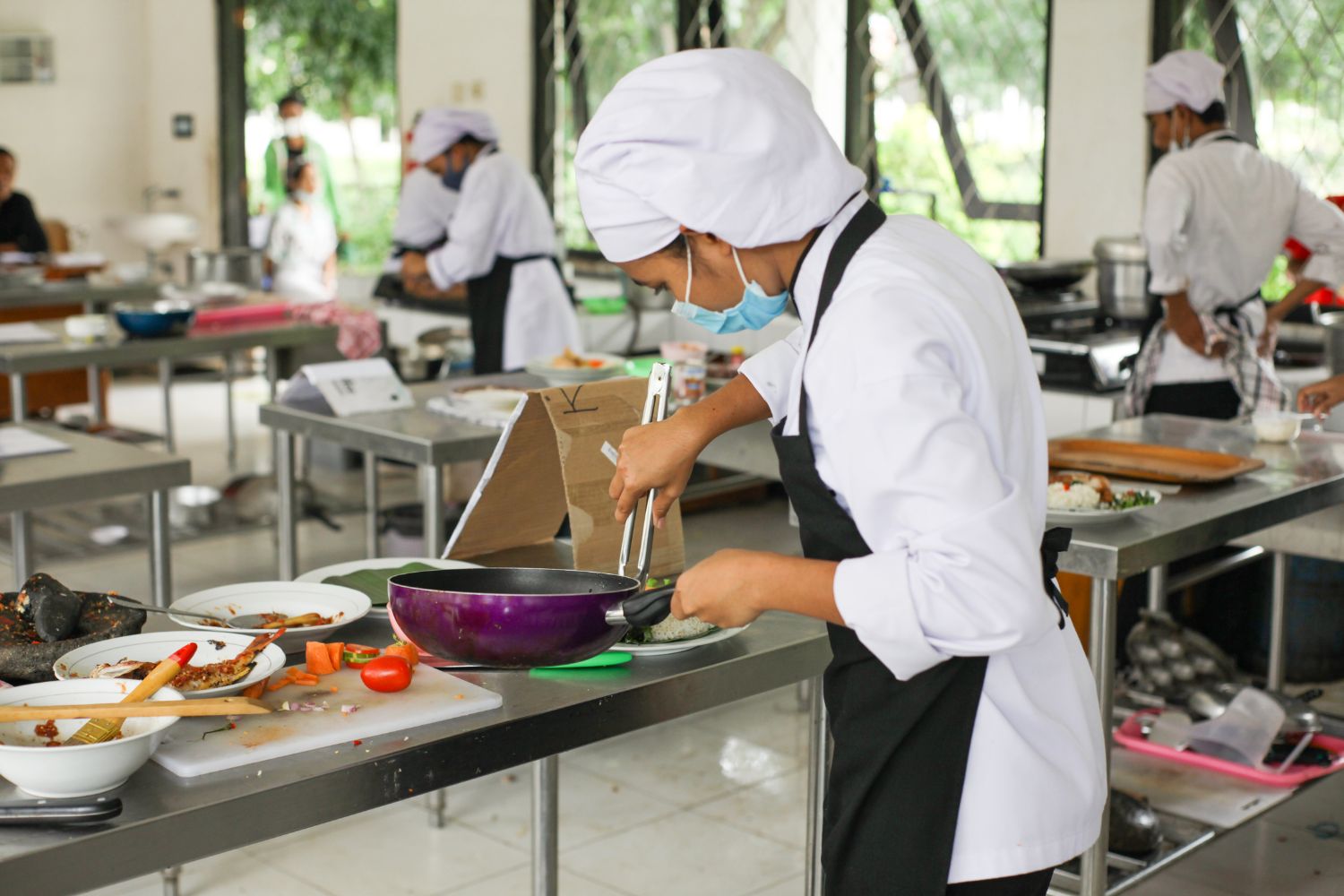
Export Packaging and Delivery Planning
Commercial rice steamers are heavy and can be damaged around the controls, doors, hinges, handles and utility connections.
Export packaging should protect:
- Control panel
- Door edges
- Hinges
- Handles
- Door latches
- Gas connections
- Water connections
- Electrical terminals
- Casters or legs
- Stainless steel surfaces
- Loose trays
- Accessories
Confirm whether the machine will be shipped:
Fully assembled
Partially assembled
Modular
Request the following information before shipment:
- Machine dimensions
- Package dimensions
- Net weight
- Gross weight
- Packaging material
- Forklift positions
- Lifting instructions
- Moisture protection
- Container-loading plan
- Packing photos
- Accessory list
- Tray quantity
- Spare-parts quantity
When comparing quotations for a commercial rice steamer in Indonesia, calculate the complete landed cost:
Machine price
+ Export packaging
+ Ocean freight
+ Port charges
+ Customs clearance
+ Inland transport
+ Installation
+ Utility connection
+ Initial spare parts
The lowest factory price does not necessarily produce the lowest completed project cost.
How to Evaluate a Commercial Rice Steamer in Indonesia Supplier
A professional manufacturer should help the buyer remove technical uncertainty rather than only sending a price.
Request:
- Model-specific specification sheet
- Dimensioned machine drawing
- Tray drawing
- Gas connection diagram
- Electrical wiring diagram
- Water inlet diagram
- Drain connection diagram
- Material declaration
- Stainless steel thickness
- Full-load test video
- Capacity test method
- Quality-inspection checklist
- Serial-number system
- Operating manual
- Maintenance guide
- Spare-parts list
- Warranty terms
- Production lead time
- Packaging proposal
Ask the supplier:
- Does the stated capacity refer to raw or cooked rice?
- How much rice is loaded into each tray?
- Which tray dimensions were used?
- What water quantity was used during testing?
- How long does preheating take?
- Can the cabinet operate with a partial load?
- Can the two chambers operate independently?
- What happens when the water level is too low?
- Which parts normally require replacement?
- What support is available after delivery?
Why Consider Bafang Rice Steaming Cabinets?
Bafang manufactures commercial stainless steel kitchen equipment, including rice steaming cabinets, sinks, worktables, shelving, refrigeration equipment and gas cooking equipment.
Its current double-door rice steaming cabinet page describes:
- A 24-tray configuration
- Gas and electric options
- Non-perforated and perforated trays
- Rice and multifunctional steaming
- Dry-burn protection
- Stainless steel construction
- Commercial canteen applications
These specifications should still be reconfirmed for every order because the final configuration may differ by project.
For an Indonesian project, buyers can discuss:
- Single-door or double-door configuration
- Tray quantity
- Tray dimensions
- Gas or electric heating
- Stainless steel material options
- Water inlet arrangement
- Drainage arrangement
- Control requirements
- Safety requirements
- Export packaging
- Technical drawings
- English or Bahasa Indonesia documentation
- Initial spare parts
- Complete canteen equipment combinations
Review the Bafang rice steaming cabinet category or the double-door rice steaming cabinet for the current product range.
For project-specific dimensions or a complete kitchen package, visit the Bafang OEM/ODM customization page.
Information Required for an Accurate Quotation
To receive a useful proposal for a commercial rice steamer in Indonesia, provide:
| Required information | Details |
|---|---|
| Buyer type | Distributor, contractor, school, SPPG, caterer or end user |
| Project location | Indonesian city and destination port |
| Meal quantity | Number of meals per service |
| Rice portion | Planned cooked-rice weight per meal |
| Production window | Available time before meal service |
| Cooking cycles | Number of batches available |
| Tray preference | Required quantity and dimensions |
| Heating type | Gas or electric |
| Electricity | Voltage, frequency and phase |
| Gas | LPG, natural gas, pressure and connection |
| Water | Inlet pressure and water condition |
| Drainage | Drain size and location |
| Material | Preferred stainless steel grade and thickness |
| Layout | Kitchen floor plan |
| Access | Door, corridor and elevator dimensions |
| Documentation | Required drawings, manuals and declarations |
| Quantity | Number of machines |
| Schedule | Expected production and delivery date |
This information allows the manufacturer to recommend a configuration rather than guessing from the number of students or employees.
FAQ
How many rice steamer trays are needed for 1,000 meals?
There is no universal answer.
Calculate the total cooked rice required, divide it by the number of available cooking cycles and compare that figure with the manufacturer’s tested cooked output per tray.
Tray dimensions and loading methods differ between machines.
Is a gas or electric commercial rice steamer better in Indonesia?
Gas may be practical where LPG supply and ventilation are suitable.
Electric heating may be preferred where the building has sufficient electrical capacity and gas installation is restricted.
The project should compare:
Utility availability
Installation cost
Operating cost
Maintenance capability
Heat recovery
Safety requirements
Local technical support
Can a commercial rice steamer cook food other than rice?
Depending on tray type and machine construction, it may also steam:
Vegetables
Corn
Buns
Dumplings
Fish
Selected meat products
Other prepared foods
Ask the supplier for tested applications and suitable tray types.
Is 304 stainless steel necessary?
304 stainless steel is often considered for food-contact trays and wet, frequently cleaned areas.
However, the complete decision should also consider:
Material thickness
Structural reinforcement
Water quality
Cleaning chemicals
Humidity
Budget
Local project requirements
Request a material declaration instead of relying only on a verbal description.
Can the machine be used in an SPPG kitchen?
Potentially, but suitability must be checked against current BGN guidance, the project’s official equipment list and local installation requirements.
A general commercial machine should not be presented as officially approved unless the approval can be documented.
How long does commercial rice steaming take?
Cooking time depends on:
Machine size
Preheating time
Rice variety
Soaking method
Tray load
Water quantity
Steam output
Desired texture
Request a full-load cooking test under conditions similar to the planned kitchen operation.
Should Indonesian buyers request Bahasa Indonesia instructions?
For projects involving local employees, installation teams or public procurement, Bahasa Indonesia labels or operating instructions may improve installation, training and daily operation.
The buyer should confirm the current documentation requirements for the specific project.
Which spare parts should be ordered with the machine?
Common parts to evaluate include:
Door gaskets
Water-level components
Heating elements
Burner or ignition parts
Valves
Controllers
Door latches
Indicator lights
Casters
Ask the manufacturer which items are consumable and which parts should be stocked locally.
Where can buyers request a Bafang quotation?
Send the project information through the Bafang contact page.
Include:Meal quantity
Cooked rice requirement
Production time
Tray preference
Gas or electrical information
Water and drainage conditions
Destination
Documentation requirements
Conclusion
Choosing a commercial rice steamer in Indonesia begins with an output calculation—not tray count alone.
Buyers should first determine:
- Cooked rice demand during peak service
- Number of available production cycles
- Required reserve capacity
- Tray loading requirements
- Gas or electrical conditions
- Water and drainage availability
- Kitchen space
- Installation access
The final purchasing decision should cover:
- Tested cooked-rice output
- Tray dimensions
- Cooking time
- Gas or electrical compatibility
- Water requirements
- Drainage requirements
- Stainless steel construction
- Cabinet insulation
- Safety controls
- Cleaning access
- Spare parts
- Export packaging
- Local installation checks
- Current regulatory requirements
For schools, SPPG kitchens, catering companies, factory canteens and central kitchens, a properly specified steaming cabinet can make high-volume rice production easier to organize.
The best result comes from matching the machine to the actual rice, menu, meal quantity, utilities, workflow and service schedule.
Bafang supplies standard and customized commercial rice steaming cabinets for foodservice projects. To discuss a Commercial Rice Steamer in Indonesia, submit the required meal volume, tray capacity, gas or electrical conditions, kitchen layout and destination through the Bafang contact page.