Table of Contents
Planning a rice steamer water supply is a facilities decision as much as an equipment choice. A cabinet that uses a direct inlet may need a suitable connection, shutoff access, and approved plumbing work; a manually filled model has a different routine and supervision requirement. Before procurement, confirm the exact model’s water arrangement, the site’s available services, and the local rules that apply. The purpose is to avoid a cabinet arriving at a kitchen that cannot connect, drain, or be maintained as intended.
Start with the exact model, not a generic diagram
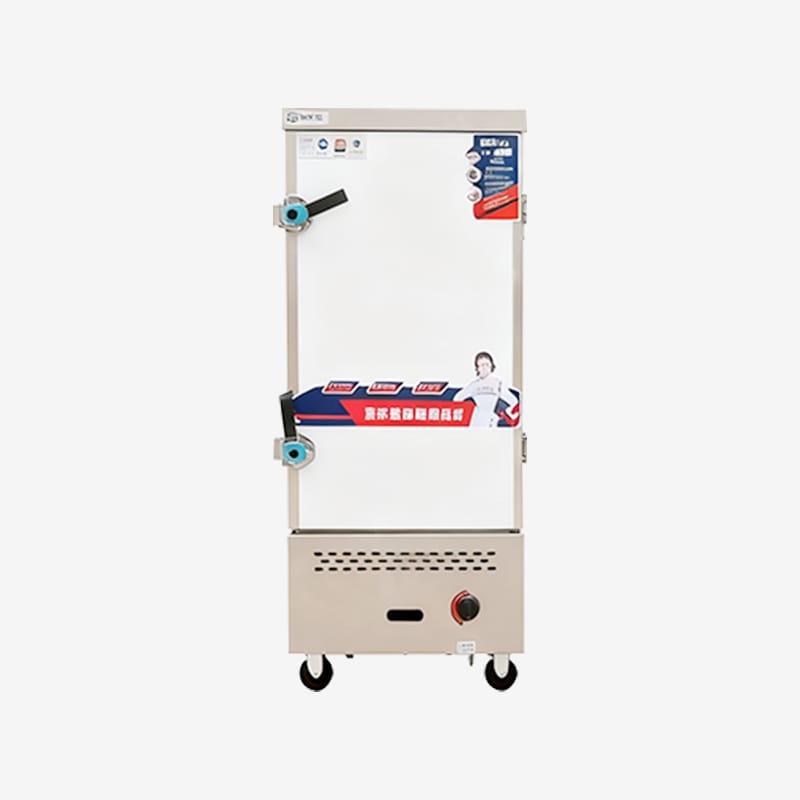
Commercial rice steamers are not all plumbed in the same way. Depending on the design, a model may use a direct water inlet, a manual reservoir, or another configuration described in its documentation. Do not infer the connection from a product photo or from another cabinet in the same category. Ask the supplier for the model-specific installation manual, connection drawing, inlet requirements, drainage details, and the accessories supplied with the unit. The wording in a catalogue may be brief, while the installation requirements can determine whether the chosen unit is practical for a renovation or a new kitchen.
Decide between direct connection and manual filling
A direct connection can reduce the need for staff to refill a reservoir during service, but it requires the building service to meet the appliance specification and local plumbing requirements. A manually filled design may avoid a permanent inlet connection, yet it still needs a clear refill procedure, an accessible water source, and a way for operators to verify the reservoir before a cooking cycle. Neither arrangement is universally better. The right rice steamer water supply depends on the menu, production rhythm, staffing, site services, and the approved model design.
Consider who will connect, inspect, and maintain each arrangement. Direct plumbing may require a qualified contractor and coordination with the building owner or facilities team. A manual system places more routine responsibility on kitchen staff. During an equipment comparison, ask suppliers to describe what is included and what must be provided by others. Clarify whether hoses, valves, fittings, filters, or other connection parts are supplied, optional, or site-specific. Do not assume that a fitting shown in a photograph is included in the order.

Verify inlet details with the manufacturer
For a plumbed model, get the connection size and type, required operating pressure or flow range if specified, permitted water temperature, and any installation restrictions directly from the technical documentation. Values vary by product, so a universal pressure or pipe-size recommendation would be unreliable. Have the installer compare the document with the actual site supply and identify any pressure regulation or other component required by the equipment instructions or local code. Record the confirmed value on the project drawing so purchasing, installation, and commissioning teams work from the same information.
Ask whether a shutoff valve should be installed near the equipment and how it should remain accessible after the cabinet is positioned. Isolation can matter during cleaning, service, or a leak response, but the correct valve and placement depend on local plumbing rules and the appliance manufacturer. Keep connections out of locations where staff routinely move hot trays, wash floors, or park carts. The installer should protect the connection from impact and avoid routing pipe where it obstructs access to service panels.
Check water quality and treatment assumptions
Water chemistry can influence scale formation, cleaning intervals, and component life. However, the acceptable hardness and treatment method are model-specific. Obtain the manufacturer’s stated limits and any warranty conditions related to water quality before selecting a filter or softener. A treatment system that is not matched to the equipment can add maintenance without solving the relevant problem. Where local water analysis is available, share it with the manufacturer or a qualified water-treatment specialist and ask for a recommendation tied to the documented requirements.
Also account for the kitchen’s other water-using equipment. Filters may be dedicated to one appliance or shared across a group, but shared systems need correctly sized capacity, compatible connections, and a maintenance plan. Identify who will monitor filter condition and replace cartridges. Keep replacement parts accessible without dismantling the cabinet or blocking the aisle. A rice steamer water supply plan should state clearly what the building provides, what the equipment supplier provides, and what the kitchen team must maintain.
Plan drainage separately from the inlet
Water entering the cabinet and water leaving it are separate design questions. A steamer may produce condensate or require drainage according to its design, but not every model uses the same arrangement. Confirm whether the unit needs a floor drain, a trapped waste connection, an air gap, or a particular drain route by consulting its manual and the authority having jurisdiction. Do not improvise a drain connection or discharge point from a photo. The cabinet must be level as specified, and the drain path should remain serviceable and free of kinks or obstructions.
Coordinate the drain with floor gradients, nearby equipment, cleaning procedures, and the location of other waste lines. A drain placed behind a fixed cabinet can be difficult to inspect. A hose that crosses a staff route creates a trip and sanitation concern. Ask the installer to show the route on the drawing and explain how it will be accessed for inspection. Confirm requirements for indirect waste, backflow protection, and connection materials locally; rules differ by jurisdiction and cannot be replaced by general online guidance.
Compare utility arrangements consistently
| Planning point | Direct inlet configuration | Manual-fill configuration |
|---|---|---|
| Building service | Confirm connection and operating limits from the model manual | Confirm reservoir access and approved filling procedure |
| Staff routine | Inspect connections and follow operating instructions | Check and refill reservoir as specified before use |
| Installation | Coordinate qualified plumbing work and shutoff access | Confirm service counter or water access is convenient |
| Maintenance | Follow requirements for filters, valves, and water quality | Clean and inspect reservoir as the manufacturer directs |
| Project questions | Clarify scope, pressure, drainage, and local compliance | Clarify refill frequency, capacity, and operator responsibility |
Coordinate connection points with the kitchen layout
Before construction or delivery, place the equipment drawing over the current kitchen plan. Check the water connection, drain, electrical or gas service where applicable, door swing, wall clearance, and route for moving the cabinet into position. Confirm whether the connection is on the side, rear, or another location for the exact model. A plan that uses a generic product footprint may miss a protruding fitting or a service access zone. Verify measurements against the supplier’s current drawing rather than estimating from a web image.
Consider how an installer will reach the valve after the unit is pushed into place. If the cabinet needs to be moved for service, ask how much space is required and whether connected piping can accommodate that movement. Facilities teams should review the plan before floor or wall finishes are closed. For a replacement project, inspect existing pipe condition, shutoff operation, and drain location before ordering. If the current arrangement does not meet the new model requirements, include corrective work in the project scope rather than discovering it on installation day.

Write responsibilities into the quotation and scope
A project quote should separate equipment supply from building work. Ask who supplies connection fittings, who performs plumbing, who provides any water treatment, who connects the drain, and who verifies operation after installation. State which party arranges permits or inspections where required. These questions prevent assumptions from being treated as commitments. Include model number, voltage or fuel, water configuration, drain plan, delivery route, and installation location in the purchase record.
If the purchase is for multiple sites, do not copy one site’s connection plan to every kitchen without checking local conditions. Available pressure, water quality, plumbing code, and building ownership responsibilities can differ. Create a site survey for each location and mark unverified values as pending confirmation. Then ask the supplier to identify which cabinet configuration is suitable for each verified service condition. The rice steaming cabinet range provides a starting point for model review, and the rice steamer care guide covers ongoing cleaning and maintenance planning.
Commission the system before normal production
After installation, a qualified installer should verify the connections against the appliance instructions and local requirements. The kitchen team can then confirm that the water can be isolated, refill access is practical where applicable, drainage behaves as intended, and the cabinet can be operated without leakage or obstruction. Use the manufacturer’s commissioning procedure rather than improvising a test. Document the model, connection details, service provider, and maintenance instructions with the equipment records.
EPA WaterSense resources describe broader water-management practices for commercial and institutional facilities, including planning, metering, and leak detection. They are useful for facility-level water management, not a substitute for the specific installation manual of a rice steamer. Review the EPA WaterSense best management practices alongside the equipment documents when the project includes water-efficiency goals. Confirm any operational or safety requirements with the local authority and qualified contractors.
Frequently asked questions
Does every commercial rice steamer need a plumbed water supply?
No. The connection method depends on the specific model. Check the manufacturer’s installation documentation before planning the site.
What water pressure does a rice steamer require?
There is no safe universal value. Obtain the model’s specified range and have the installer compare it with the building service.
Does the water inlet determine the drain connection?
No. Inlet and drainage requirements are distinct. Confirm both from the manual and local plumbing rules.
Should a filter or softener always be installed?
Only if the model requirements and site water conditions support it. Ask the manufacturer or a qualified water specialist before specifying treatment.
Who should connect a direct water supply?
Use a qualified installer who can follow the equipment instructions and comply with local plumbing requirements.
Request a site-specific configuration
Share the steamer model, available water and drain points, local supply information, and kitchen drawing with Bafang when requesting a configuration review. A site-specific brief helps identify questions for the manufacturer and installer before equipment delivery.
Establish a maintenance and leak response routine
A water connection changes the equipment’s routine maintenance needs, so assign responsibility before handover. The facilities team should know where the isolation point is, which contractor installed it, and how the fitting can be inspected. Kitchen operators should know how to recognize visible leakage, stop operation if the manufacturer’s instructions call for it, and report the issue through the site’s maintenance process. Do not ask staff to tighten or alter a pressurized connection unless they are qualified and authorized to do so.
For models using filtration or treatment, record the correct cartridge or service part, maintenance interval, and method for checking condition. A filter should not be replaced solely by an arbitrary calendar if the manufacturer specifies a different criterion; equally, it should not be left without a responsible owner. Keep a log that connects service activity to the equipment model and site. If a leak, scale concern, or inconsistent filling appears, compare the observed condition with the manual and water-quality information before changing settings or plumbing.
Use a handover record that stays with the equipment
At project closeout, provide the kitchen manager with the final connection drawing, equipment manual, commissioning record, installer contact, shutoff location, and maintenance instructions. Include any site-specific deviations that were approved during installation. This record is especially useful when building maintenance is handled by a separate contractor or when the kitchen changes staff. If a replacement cabinet is ordered later, the information helps the next project team understand the actual service arrangement without assuming that the old connection matches a new model.
Water-efficiency objectives should also be documented at the facility level. The U.S. Environmental Protection Agency’s WaterSense materials encourage commercial and institutional sites to assess water use and manage leaks; they do not establish a required flow or connection for this appliance. Keep that distinction clear when preparing a specification. A facility target, local plumbing code, and manufacturer requirement answer different questions, and the installation must satisfy the applicable requirements together.
Questions to close before approving a purchase
Before releasing an order, confirm whether the selected unit uses a direct inlet or manual fill, which drawing matches the order code, and what exact connection requirements apply. Resolve whether any water-treatment component is necessary, who supplies it, and who maintains it. Confirm the drain design separately, the location and access of shutoff points, the installation contractor, and the party responsible for local approvals. These decisions turn a broad equipment selection into a site-ready specification.
Where one question remains open, record it and identify who will answer it and by when. A short documented clarification is more useful than an assumption carried through procurement. Once the supply and drain plan is confirmed, include it in the site drawing and share it with the equipment supplier, installer, facilities manager, and kitchen lead. This creates a common reference for delivery, connection, training, and future maintenance.

Food handling and hot-holding procedures should also follow the standards adopted by the relevant authority. The FDA Food Code is a model reference in the United States; confirm the rules adopted by the local jurisdiction and follow the equipment manufacturer’s instructions.