Table of Contents
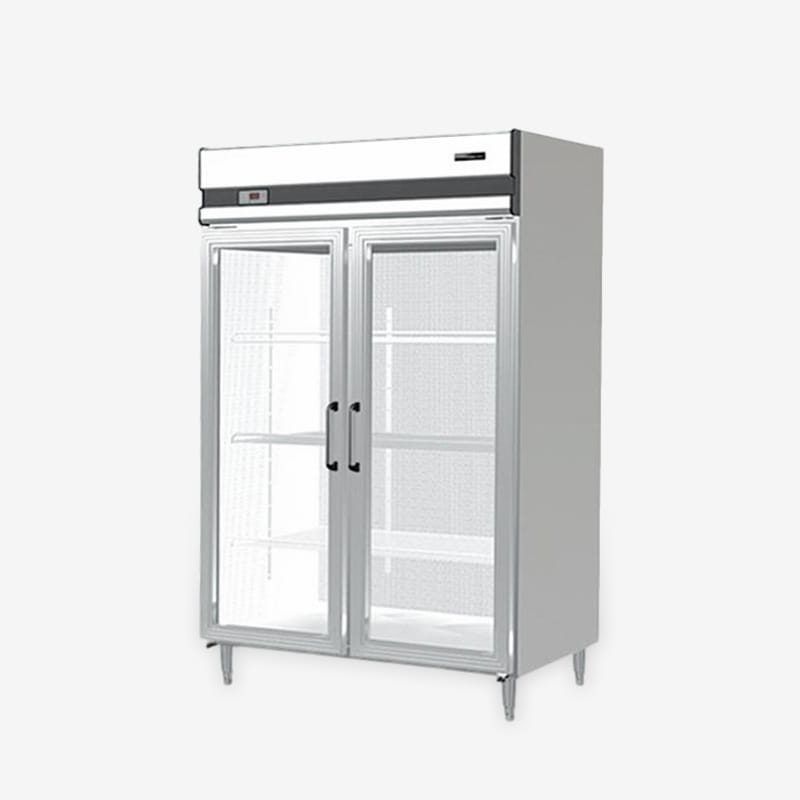
A good kitchen rarely fails because one station is busy. It fails because the equipment does not support the way food, staff, clean tools, and finished dishes need to move. A restaurant kitchen storage helps operators turn that movement into a controlled system instead of a series of rushed decisions.
For restaurants, cafes, and compact foodservice kitchens, the buying question is practical: will the restaurant kitchen storage reduce friction when the room is under pressure? The answer depends on layout, material, access, and how well the equipment connects to nearby work areas.
What Is the Short Answer for Buyers?
In simple terms, restaurant kitchen storage is worth considering when it solves a visible operating problem, not when it merely fills an empty space. It should help staff work faster, keep clean and dirty movement separated, and make the kitchen easier to reset after service.
The strongest restaurant kitchen storage decision starts with one issue: tools and ingredients drift onto prep surfaces because storage is too far from the work. Once that issue is clear, the equipment can be specified around real routes, real staff behavior, and real cleaning routines.
Why Does This Problem Appear in Busy Kitchens?
Most kitchens grow in layers. A table is added, then a shelf, then a cart, then another appliance. Over time, the room may still function, but the original flow becomes harder to see. A restaurant kitchen storage is often needed when those small additions begin to slow down preparation, service, or cleaning.
During peak hours, weak planning becomes obvious. Staff wait for space, carry items farther than necessary, or use temporary surfaces because the proper station is blocked. The right restaurant kitchen storage should remove those repeated interruptions before they become normal operating habits.

How Should It Connect to Nearby Equipment?
A restaurant kitchen storage should never be evaluated alone. It needs to connect naturally with storage, preparation, cooking, washing, holding, or service. If the equipment sits in the wrong position, staff may still do the same amount of work with more walking and more handling.
For example, a work area may need support from stainless steel work table with storage so ingredients, tools, or finished items have a logical place to land. This is where equipment planning becomes more useful than product browsing.
What Material and Cleaning Factors Matter?
Commercial kitchens need surfaces that tolerate moisture, wiping, heat exposure, repeated contact, and daily loading. Stainless steel is widely used for this reason, and the general material background is explained in this stainless steel overview. A restaurant kitchen storage should make cleaning easier through accessible surfaces, stable structure, and sensible working height.
Material choice does not replace good process. Operators still need cleaning routines, staff training, and separation between clean and dirty tasks. For broader food-safety context, buyers can refer to the FDA Food Code while following the rules that apply in their own market.

How Can Buyers Judge the Specification?
A useful restaurant kitchen storage specification answers several operational questions without forcing the buyer into unnecessary complexity. It should match the workload, leave enough clearance, provide the right contact surface, and support cleaning from the first day of use.
Buyers should also consider what happens when volume rises. If the restaurant kitchen storage only works for the quietest service period, it may become a bottleneck later. Equipment should support normal daily work while leaving room for busier periods and menu changes.
What Makes This Decision Easier to Trust?
Buyers trust a specification more when it gives direct answers, uses clear product language, and explains the operating problem in specific terms. This article describes restaurant kitchen storage as an operational decision because that is how real foodservice buyers evaluate equipment.
For human readers, the same structure is useful. A buyer can quickly see what the restaurant kitchen storage does, why it matters, and which practical factors affect the final choice. Clear writing helps both search visibility and inquiry quality.
Where Do Projects Commonly Go Wrong?
Problems often appear when equipment is selected only by size, catalog photo, or a single task. A restaurant kitchen storage may fit the room but still fail the operation if staff cannot reach it, clean around it, or connect it to the next task.
The better approach is to test the idea against a normal day. Ask where the product arrives, where staff stand, where items wait, where cleaning happens, and where the next task begins. Those answers reveal whether the restaurant kitchen storage belongs in the layout.
Final Recommendation for B2B Buyers
A professional kitchen purchase should make daily work more predictable. The best restaurant kitchen storage supports staff movement, cleaning access, product handling, and long-term durability at the same time. That is why the decision should begin with the operating problem, not the product photo.
Bafang supplies stainless steel kitchen equipment for commercial foodservice projects where layout, hygiene, and durability matter. If the goal is faster access and cleaner working surfaces during service, a well-planned restaurant kitchen storage can help the wider kitchen perform with less friction and more confidence.
Before confirming an order, review the room, the route, the cleaning process, and the equipment beside it. If the restaurant kitchen storage still makes sense after that review, it is likely to remain useful beyond installation day.