Table of Contents
Commercial rice steamer capacity should be planned around peak meal volume, tray quantity, batch timing, kitchen space, and the type of foodservice operation. For project buyers, the search for commercial rice steamer capacity usually starts with a simple question, but the final decision affects workflow, installation, cleaning, delivery, and long-term operating cost. This article explains how to evaluate commercial rice steamer capacity in a practical B2B procurement process.
Bafang focuses on commercial stainless steel kitchen equipment for restaurants, hotels, schools, factory canteens, hospitals, distributors, and kitchen contractors. The goal is to help buyers connect commercial rice steamer capacity with real kitchen requirements rather than choosing equipment only by catalog photos.
Why This Decision Matters
A commercial kitchen is a working system. Washing, preparation, cooking, refrigeration, dry storage, service, and sanitation areas all influence each other. If commercial rice steamer capacity is selected without considering the wider kitchen plan, the result can be poor staff movement, difficult cleaning, wasted space, or equipment that cannot support peak service.
For this reason, the decision should be reviewed with the menu, meal volume, project layout, available utilities, local foodservice expectations, and delivery schedule. A small restaurant and a large school canteen may use similar product names but need very different specifications.
Start with the Buyer Requirement
Before requesting a quotation, prepare a short requirement sheet for commercial rice steamer capacity. This helps the supplier understand the project and reduces repeated communication. The requirement sheet should describe the application, quantity, expected size, preferred material, destination country, and whether customization is needed.
- Kitchen type and expected service volume
- Available installation space and workflow direction
- Material grade, thickness, and surface finish requirements
- Gas, electric, water, drainage, or ventilation conditions
- Packaging, export, and delivery deadline requirements
Compare Specifications, Not Just Product Names
The phrase commercial rice steamer capacity can cover different models, dimensions, structures, and performance levels. Buyers should compare measurable specifications: stainless steel grade, sheet thickness, welded structure, usable size, accessory configuration, capacity, drainage, power, and packaging.
A professional supplier should explain why one specification fits the project better than another. If commercial rice steamer capacity is recommended without asking about the kitchen layout or operating conditions, the recommendation is probably too generic.
Buyer Comparison Table
| Decision point | What to confirm | Why it matters |
|---|---|---|
| Small restaurant | Lower tray count and flexible batches | |
| School canteen | Higher tray count and fixed meal periods | |
| Factory canteen | Large batch output for short service windows | |
| Hotel kitchen | Flexible capacity for buffet and banquet service |
Material and Construction Details
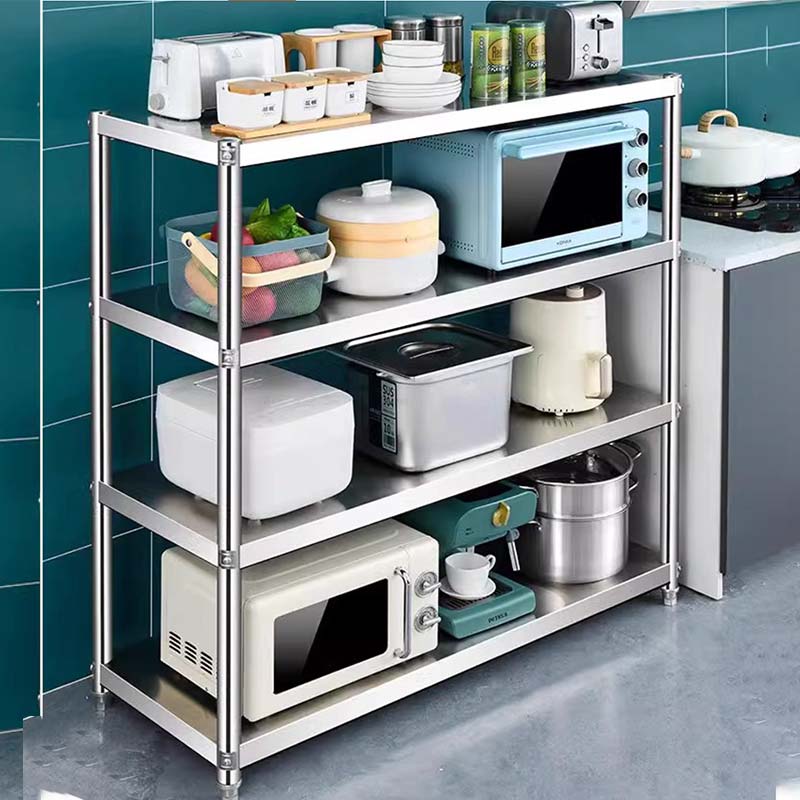
Commercial kitchens expose equipment to moisture, steam, heat, grease, cleaning chemicals, heavy loads, and repeated staff movement. When evaluating equipment options, ask about stainless steel grade, frame reinforcement, welding finish, edge treatment, adjustable feet, casters, shelves, drainboards, and other accessories.
For wet areas and food-contact surfaces, corrosion resistance and cleanability should be treated as core requirements. For dry storage or lighter-duty areas, buyers may have more flexibility, but the specification still needs to be written clearly in the quotation.
How to Evaluate the Supplier
The supplier behind commercial rice steamer capacity is as important as the product itself. Ask whether the company manufactures the equipment directly, which production steps are completed in-house, and how quality is checked before shipment. A direct manufacturer can often support drawings, samples, custom dimensions, and repeat orders more consistently.
Bafang supplies a range of
Customization and OEM Options
Standard products do not fit every kitchen. Many buyers need adjusted dimensions, different bowl layouts, special shelf spacing, voltage options, logo labels, packaging marks, or project-specific drawings. When commercial rice steamer capacity must fit a fixed layout, customization can reduce installation problems and improve daily use.
Bafang supports
Cleaning, Safety, and Compliance
A good decision on commercial rice steamer capacity should also consider cleaning and food safety. Equipment should have accessible surfaces, practical working height, smooth edges, and a structure that supports daily sanitation. Buyers can review general sanitation concepts from the
For export projects, compliance depends on product type and destination market. Do not assume one certificate is enough for every country. Write the required standards and documents into the quotation request whenever commercial rice steamer capacity is part of a regulated project.
Common Purchasing Mistakes
Many procurement problems happen because buyers compare only the visible product photo or the lowest price. For commercial rice steamer capacity, this can lead to wrong dimensions, weak structure, difficult cleaning, unsuitable capacity, or packaging that does not survive long-distance shipping.
- Estimating capacity only by cabinet height
- Ignoring meal schedule and batch time
- Buying too much capacity for a small kitchen
- Not confirming tray size before ordering
- Forgetting backup capacity for peak service
Internal Links for Further Planning
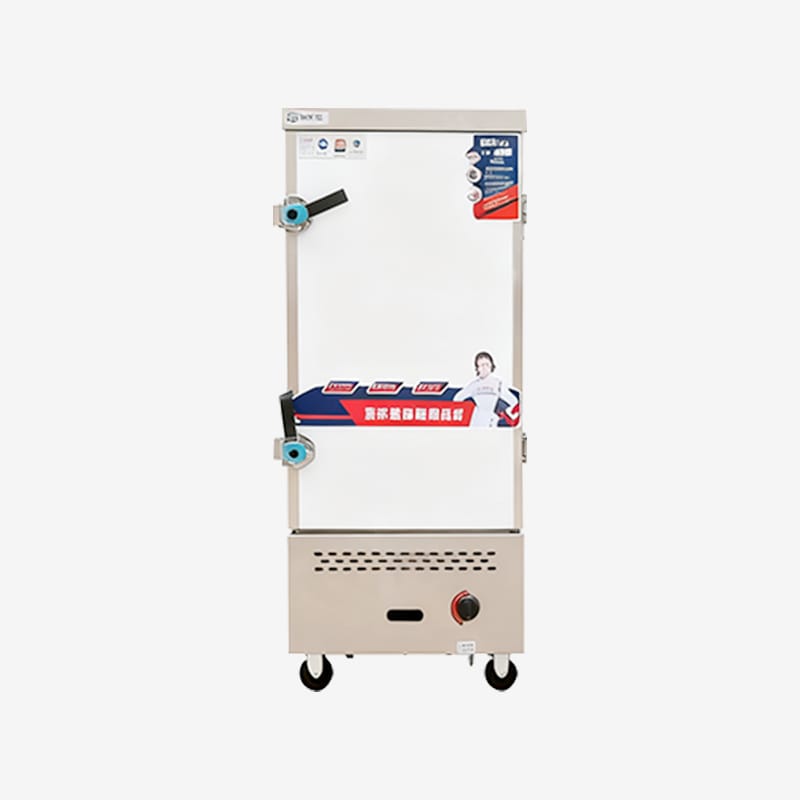
Commercial rice steamer capacity should be reviewed together with cabinet type, tray workflow, and the buyer’s serving schedule. For product comparison, see Bafang’s rice steaming cabinet category and double door rice steaming cabinet. For general food safety and handling context, use the FDA Food Code and CDC food safety resources. Commercial rice steamer capacity decisions should still be confirmed against local installation requirements.
Frequently Asked Questions
How is commercial rice steamer capacity calculated?
Commercial rice steamer capacity depends on tray size, tray count, rice depth, batch time, and expected meal volume.
How many trays does a school canteen need?
A school canteen usually needs higher tray capacity because many meals must be ready in a fixed service period.
Can one steamer serve different volumes?
Yes. Kitchens can use fewer trays during normal service and more trays during peak demand if the cabinet is sized correctly.
Should I buy extra capacity?
Some reserve capacity is useful, but excessive capacity wastes space, energy, and budget.
What should I send to Bafang?
Send meal volume, tray preference, kitchen space, heating type, and destination market.
Request a Project Quotation
If you are evaluating commercial rice steamer capacity for a restaurant, hotel, school canteen, factory kitchen, hospital, distributor program, or commercial kitchen project, send Bafang your equipment list, target dimensions, service volume, destination country, and customization requirements. The team can review the details and prepare a practical quotation.