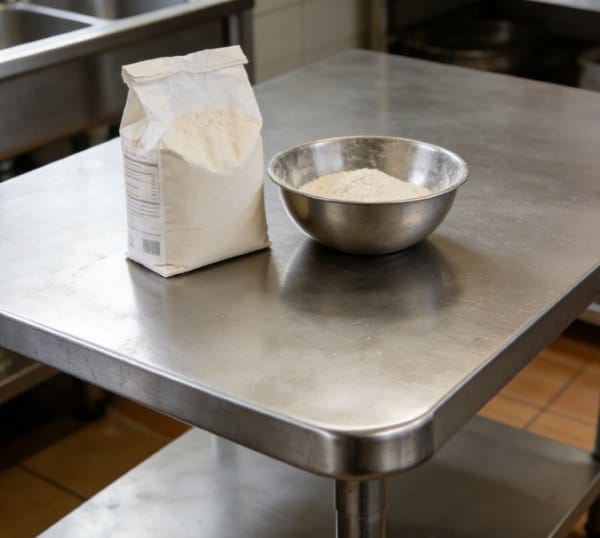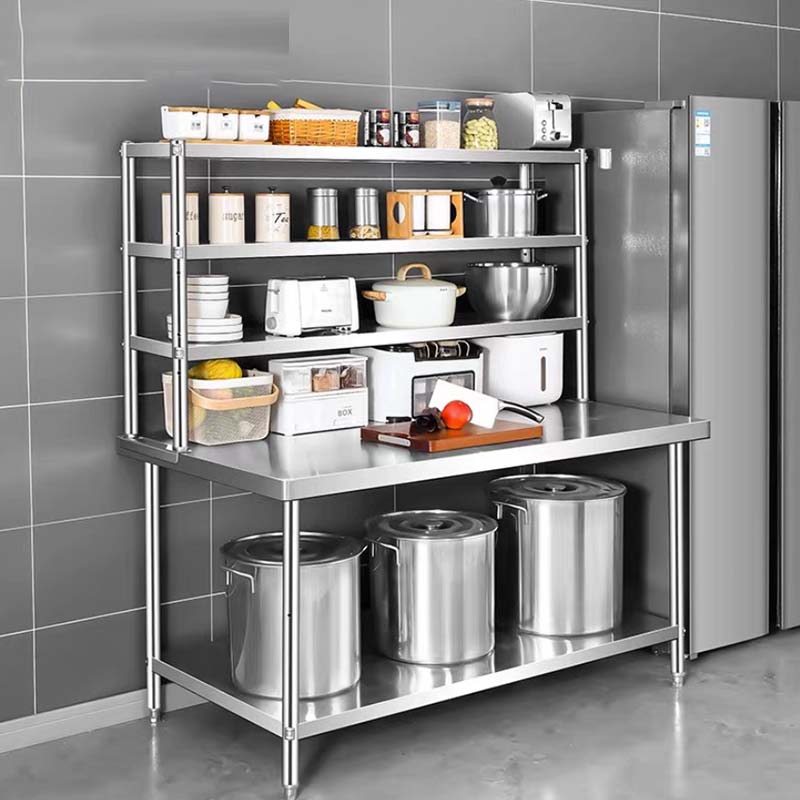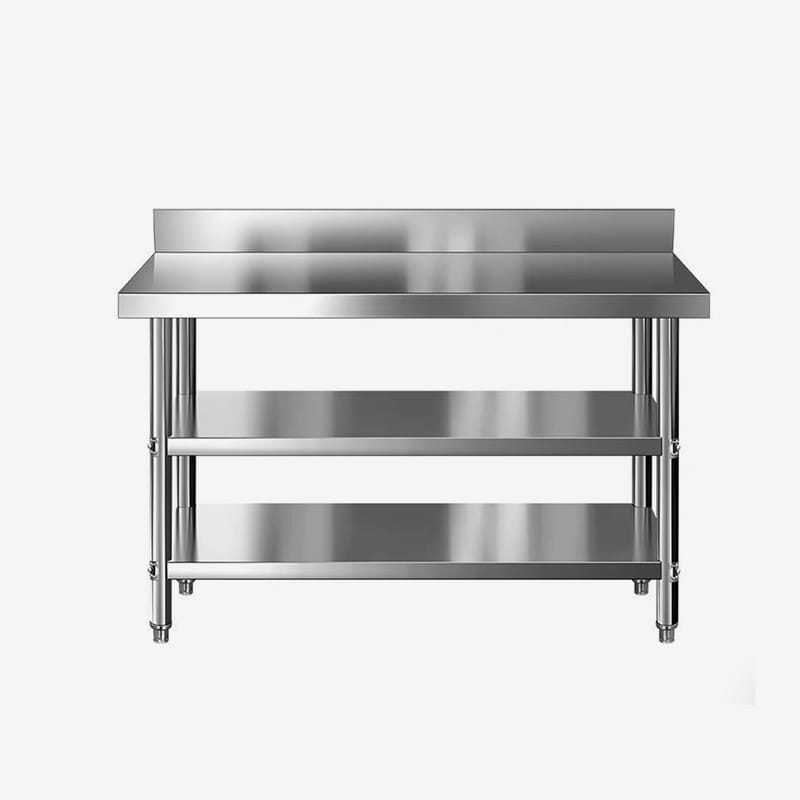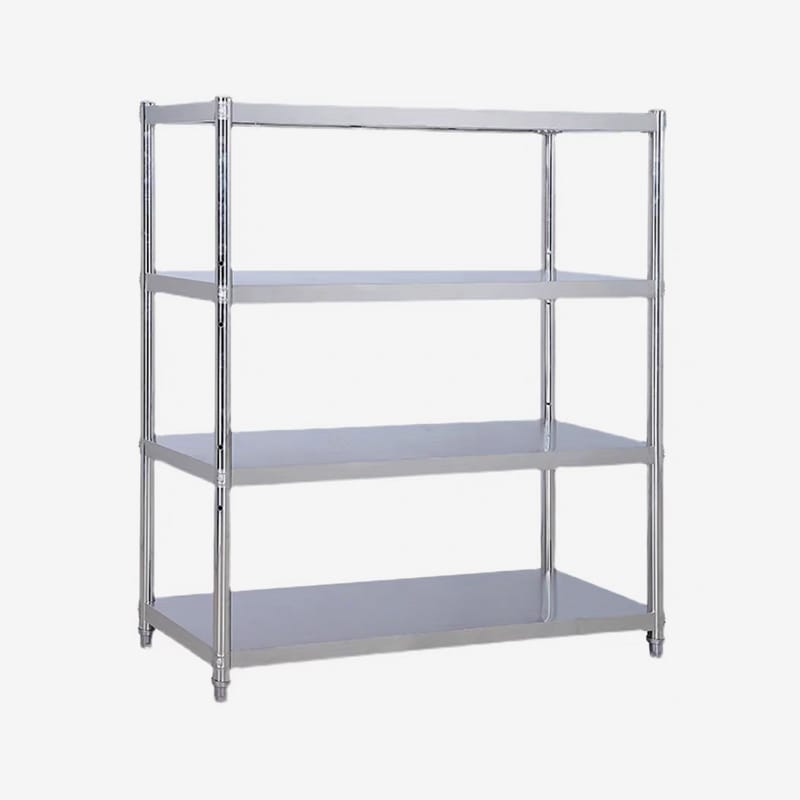
The modern bar is a high-speed, high-stakes production environment. It’s not just about pouring drinks; it’s about crafting experiences under pressure, managing inventory, and maintaining impeccable hygiene—all while creating theater for your guests. The unsung hero enabling this performance? The stainless steel bar workbench.
This isn’t your grandfather’s wooden bar top. Today’s bar workbench is a sophisticated, engineered hub designed to tackle the unique challenges of beverage service. From craft cocktail temples to high-volume beer halls, the right workbench can dramatically impact your speed, your bottom line, and your staff’s well-being. Let’s explore the critical features that separate a professional bar workbench from a simple counter.
Table of Contents
Why Stainless Steel is the Gold Standard Behind the Bar
The bar environment is a perfect storm of liquids, stains, acids, and heavy traffic. Here’s why stainless steel is the only logical choice:
- Chemical Resistance: It laughs in the face of citrus juice (citric acid), soda gun syrup, alcohol, and common cleaning chemicals. It won’t etch, stain, or develop a permanent odor like porous stone or wood.
- Impervious to Water: Constant spills, melted ice, and wet glassware are no match for stainless steel. It prevents water damage, warping, and the growth of mold and mildew that can plague other materials.
- Hygiene & Cleanability: With a quick wipe, you can sanitize the surface, meeting strict health codes. There’s no need for sealants or special conditioners that can wear off or contaminate drinks.
- Structural Integrity: It can support the immense weight of ice wells, keg coolers, multiple draft towers, and backbar glassware without sagging or compromise.
Deconstructing the Ideal Bar Workbench: Features That Matter
A top-tier bar workbench is a modular system. Understanding each component helps you build the perfect station.
1. The Ice Well Integration: The Heart of Cold Service
The ice well is non-negotiable. But its integration is key.
- Seamless Drop-In Wells: The best designs feature wells that are dropped into a precisely cut opening in the stainless top, with a seamless, coved joint. This prevents water and debris from leaking into the cabinet below—a major flaw in poorly designed bars.
- Size & Division: Consider a divided well (1/2 ice, 1/2 bottle storage/bucket sink) or multiple wells for different ice types (cube, crushed, block). The well should be insulated to slow melt and sized for your peak service volume.
- Critical Drainage: The well must have a high-capacity drain connected directly to a floor drain via a large-diameter pipe. A slow drain during rush hour is an operational nightmare.
2. The Bar Sink & Drainboard: The Unsung Workhorse
A dedicated, small bar sink (or “bus sink”) is essential for dumping old ice, rinsing tools, and cleaning glasses on the fly.
- Placement: Ideally located next to the ice well for efficient workflow.
- Drainboard: A sloped, grooved section of the worktop leading to the sink. This is where staff dump melted ice water from shakers or rinse glasses, keeping the main work area dry. It should be an integrated part of the top, not an afterthought.
3. The Front Rail & Foot Rail: Ergonomics and Comfort
- Front Rail (Bar Rail): A slightly raised lip at the bartender’s edge of the worktop. It’s not just for aesthetics; it prevents spilled liquids, citrus rinds, and small tools from falling onto the bartender’s feet. It also provides a place to rest bottles while pouring.
- Foot Rail: For standing bartenders, a stainless steel foot rail along the base provides a place to rest a foot, reducing back and leg fatigue during long shifts—a simple feature with a big impact on staff retention.
Case Study: “The Gin Library” Doubles Cocktail Output
“The Gin Library,” a craft cocktail bar, struggled with a beautiful but impractical granite top. It stained easily, their portable ice bins slid around, and cleanup was tedious. They installed a custom L-shaped stainless steel bar workbench with:
- A central, double-divided ice well.
- A sink and a large drainboard on one leg.
- A lower, dedicated stainless steel bar workbench section for the espresso machine and syrup storage.
- A foot rail along its entire length.
The Transformation:
- Speed: Bartenders could now pivot 90 degrees between ice, sink, and spirits without taking a step. The average cocktail time dropped by 25%.
- Cleanliness: End-of-night cleanup was reduced from 45 minutes to 15. The drainboard handled all liquid waste efficiently.
- Staff Feedback: Bartenders reported less physical fatigue and felt more “in control” of their workspace, leading to more consistent and creative drink making.
Layouts for Different Bar Types: A Comparative Table
| Zoned worktop: one side with a built-in espresso machine cutout and knock-box, the other side with a small ice well and sink. Durable top for heavy equipment. | Key Needs | Recommended Workbench Features |
|---|---|---|
| High-Volume Sports Bar | Speed, multiple beer taps, simple cocktails | Long straight top, multiple under-counter keg coolers, large single ice well, integrated drip trays for draft towers, minimal sink. |
| Craft Cocktail Lounge | Precision, extensive tool & ingredient access | Curved or corner stations, divided ice wells, large drainboard/sink area, multiple shallow drawers for tools/jiggers, solid undershelves for specialty spirits. |
| Coffee & Cocktail Café | Dual-function space, equipment heavy | Zoned worktop: one side with built-in espresso machine cutout and knock-box, other side with small ice well and sink. Durable top for heavy equipment. |
| Service Well (Pickup Station) | Support for dining room drink orders | Compact, deep ice well, speed rails for common spirits, dedicated sink, pass-through shelf for finished drinks. |
Safety & Compliance: Built-In Protection
A professional bar workbench should be designed with safety in mind:
- Slip-Resistant Flooring: The area behind the bench should have slip-resistant mats or flooring, but the bench itself should channel liquids away from feet.
- Rounded Corners: All corners should be radiused to prevent painful impacts.
- Electrical Grommets: Safe, integrated ports for blenders, POS systems, and charging stations, keeping cords off the wet work surface.
Investing in Your Bar’s Foundation
When sourcing a stainless steel bar workbench, partner with a manufacturer that understands hospitality. They should ask you about your menu volume, signature serves, and space constraints. Look for:
- Heavy-Duty Construction (14-16 gauge tops).
- Fully Welded & Sealed seams, especially around ice wells.
- Custom Cut-Outs for your specific equipment.
- A Reputation for working with successful bars and restaurants.
Your bar workbench is the stage for your service. Make it robust, intelligent, and tailored to your performance.
FAQ
Q1: How do I prevent my stainless steel bar top from getting scratched by glassware and tools?
A: Light, superficial scratching is normal and will create a “patina” over time, but it doesn’t affect hygiene. To minimize scratches, encourage staff to use soft closing techniques, avoid dragging glass racks across the surface, and use cutting boards for any fruit cutting. The durability of stainless steel far outweighs this minor aesthetic concern.
Q2: Can I have a stainless steel workbench with a wood or stone top section for aesthetics?
A: Absolutely. Many manufacturers offer hybrid tops. For example, you might have a stainless ice well, sink, and drainboard area, but a section of the customer-facing top or a dedicated mixing area can be inset with a sealed wood butcher block or a specific stone. This combines functionality with visual warmth.
Q3: How do I clean and maintain the luster of my stainless steel bar top?
A: For daily cleaning, use a soft cloth and a mild detergent or a dedicated stainless steel cleaner. Always wipe in the direction of the metal’s grain. For disinfecting, a diluted bleach solution or commercial sanitizer is fine, but rinse thoroughly. Avoid abrasive pads and steel wool.
Q4: What is the ideal height for a bar workbench?
A: Standard bar height is typically 42-45 inches from the floor. This is taller than a kitchen workbench to accommodate standing service and create a distinction between bartender and guest space. The exact height should be comfortable for your primary staff to work at without hunching.
Q5: Is it possible to add an ice well to an existing bar?
A: It is a major, invasive renovation. It involves cutting into the existing structure, installing plumbing and drainage, and ensuring proper support. It is almost always more cost-effective and reliable to replace the entire top section with a pre-fabricated stainless steel unit designed with an integrated well.