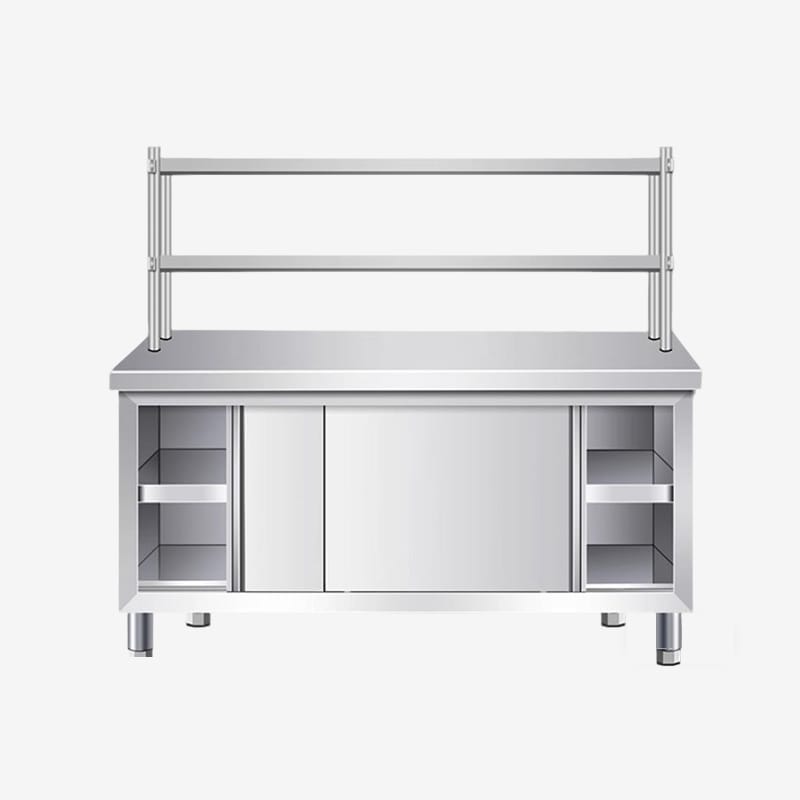
If you manage a bar, beverage station, hotel lounge, or restaurant service counter, your success depends on speed, consistency, and cleanliness. Drinks are expected to be delivered quickly, workspaces must stay organized during peak hours, and hygiene standards leave no room for compromise. In this environment, the design of your workstation matters as much as your menu.
A stainless steel bar workbench is not just a surface for assembling drinks. It is the operational core of your bar. Every bottle you reach for, every garnish you prepare, and every glass you rinse happens on or around this workstation. When the workbench is poorly designed, cluttered, or difficult to clean, inefficiency becomes inevitable.
This article helps you understand how stainless steel bar workbenches support high-speed beverage service, what separates a true bar workbench from a generic prep table, and how you can select configurations that improve workflow, sanitation, and long-term profitability.
Table of Contents
Why Bar Environments Demand Specialized Workbenches
Bars operate under conditions that differ significantly from kitchens or bakeries. Liquids, ice, glassware, and constant movement define the space.
High-Speed, Repetitive Motion
Bartenders perform the same movements hundreds of times per shift. Reaching for bottles, scooping ice, cutting garnishes, and assembling drinks all require quick access and clear organization.
A bar workbench must support these repetitive motions without forcing unnecessary steps or awkward reach angles.
Constant Exposure to Liquids and Acids
Alcohol, citrus juice, syrups, and cleaning chemicals are present at all times. Materials that absorb moisture or degrade under acidic exposure fail quickly in bar environments.
Stainless steel resists corrosion and staining, making it ideal for wet, chemically active workspaces.
Strict Hygiene and Visual Standards
Bars are often customer-facing. Workstations must remain clean, organized, and visually professional even during peak service.
Stainless steel offers a clean, neutral appearance that reinforces trust and professionalism.
What Makes a Stainless Steel Bar Workbench Different
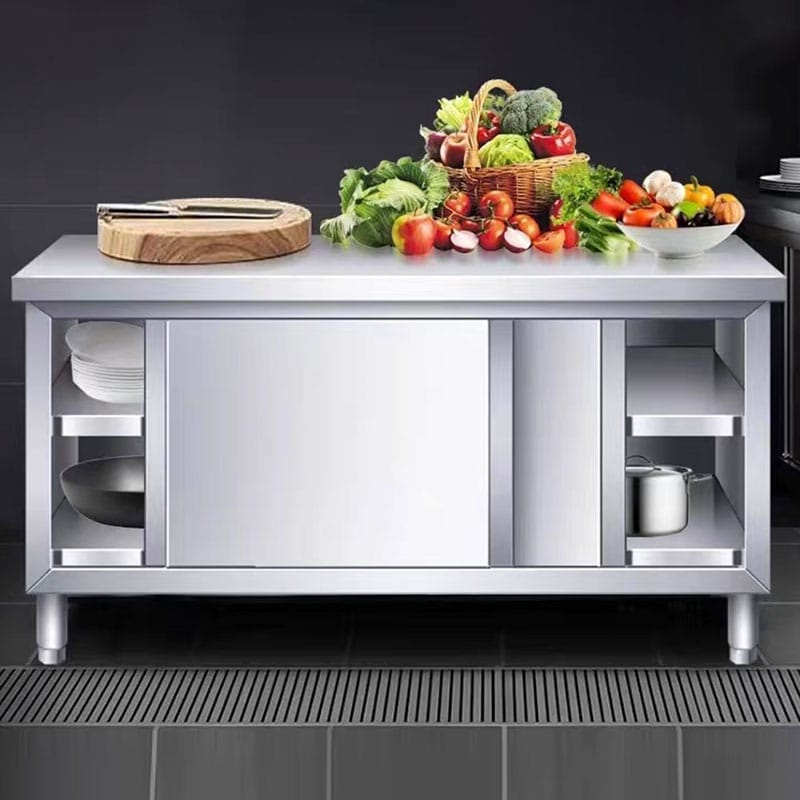
Not every stainless steel table qualifies as a bar workbench. Bar-specific designs account for workflow, drainage, and storage in ways standard prep tables do not.
Integrated Drainage and Wet-Zone Design
Bar workbenches often support glass rinsing, ice handling, and liquid spills. Proper drainage design prevents pooling and simplifies cleaning.
Even when sinks are separate, bar workbenches are typically designed to tolerate frequent water exposure without warping or rusting.
Reinforced Structure for Equipment and Glassware
Bar stations support ice bins, blenders, soda systems, and heavy glass racks. A true bar workbench maintains stability even when loaded unevenly.
Compact Footprint With High Functional Density
Bar spaces are usually narrow. A stainless steel bar workbench must deliver maximum function without occupying excessive floor space.
Common Applications of Stainless Steel Bar Workbenches
Bar workbenches are used in a variety of service environments, each with distinct requirements.
Cocktail and Beverage Assembly Stations
These stations require quick access to tools, garnishes, and glassware. Stainless steel surfaces allow fast cleanup between orders and resist sticky residue buildup.
Back Bar Prep and Garnish Areas
Behind-the-scenes prep stations focus on cutting fruit, preparing syrups, and staging supplies. Hygiene and easy cleaning are critical here.
Hotel and Event Service Bars
Temporary or high-volume service bars rely on durable, easy-to-maintain surfaces that can withstand continuous use and rapid cleanup.
Case Scenario: Increasing Service Speed in a Busy Cocktail Bar
Consider a high-traffic cocktail bar operating during evening peak hours. The bar used mixed surfaces and improvised shelving behind the counter.
Problems Identified
Bartenders frequently crossed paths to access shared prep areas
Liquid spills accumulated in corners and under equipment
Cleaning between shifts was time-consuming
Workbench Upgrade
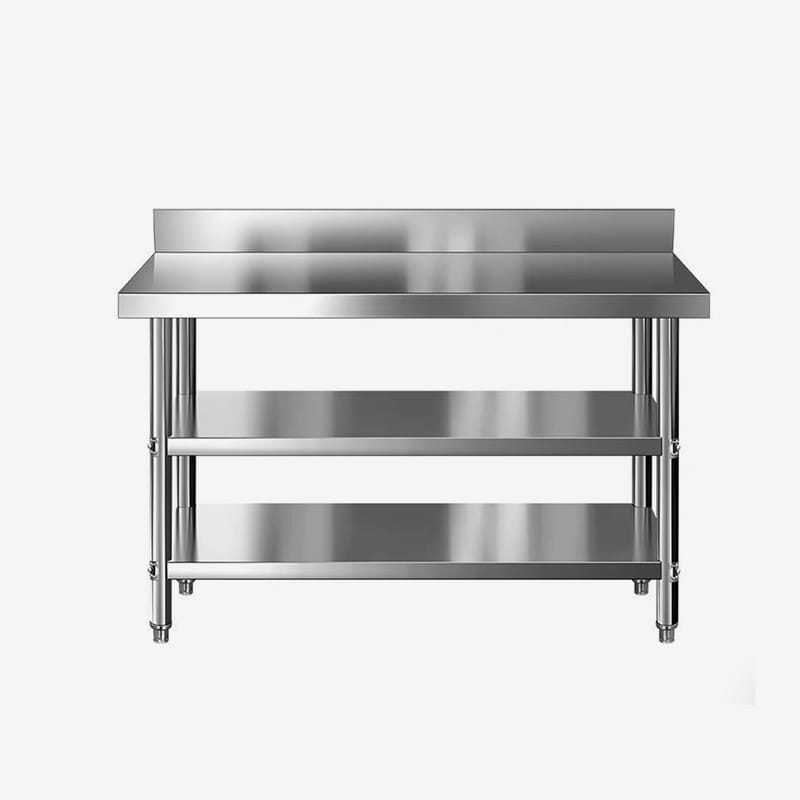
The bar installed stainless steel bar workbenches with integrated shelving and reinforced frames. Each bartender received a defined station with dedicated surface space.
Results Observed
Drink preparation time decreased noticeably
Workstations stayed cleaner during service
End-of-shift cleanup time was reduced
The change improved service speed without increasing staff count.
Selecting the Right Stainless Steel Bar Workbench
Choosing the right bar workbench requires matching design features to service style.
Key Factors to Consider
Available space behind the bar
Volume of drinks served per hour
Type of beverages prepared
Equipment load and placement
Cleaning frequency
Matching Workbench Design to Bar Type
| Bar Type | Recommended Workbench Features |
|---|---|
| Cocktail bar | Compact surface, easy-clean design |
| High-volume service bar | Reinforced frame, wide surface |
| Hotel bar | Clean aesthetics, durable finish |
| Event bar | Simple, mobile-friendly design |
Storage Considerations for Bar Workbenches
Storage is critical in bars, but clutter must be controlled.
Open Shelving
Allows fast access to frequently used items. Best for glassware and bar tools.
Enclosed Storage
Protects backup supplies and cleaning materials from spills and visual clutter.
Balanced Storage Strategy
Most bars benefit from a combination of open and enclosed storage to balance speed and cleanliness.
Ergonomics and Staff Performance
Bartenders work long shifts under physical stress. Poor workstation design increases fatigue and injury risk.
Proper Height and Reach Zones
Workbenches should allow bartenders to work without excessive bending or stretching. Frequently used items should remain within comfortable reach.
Reducing Cross-Traffic
Dedicated stations reduce collisions and confusion during peak hours.
Cleaning and Maintenance in Bar Environments
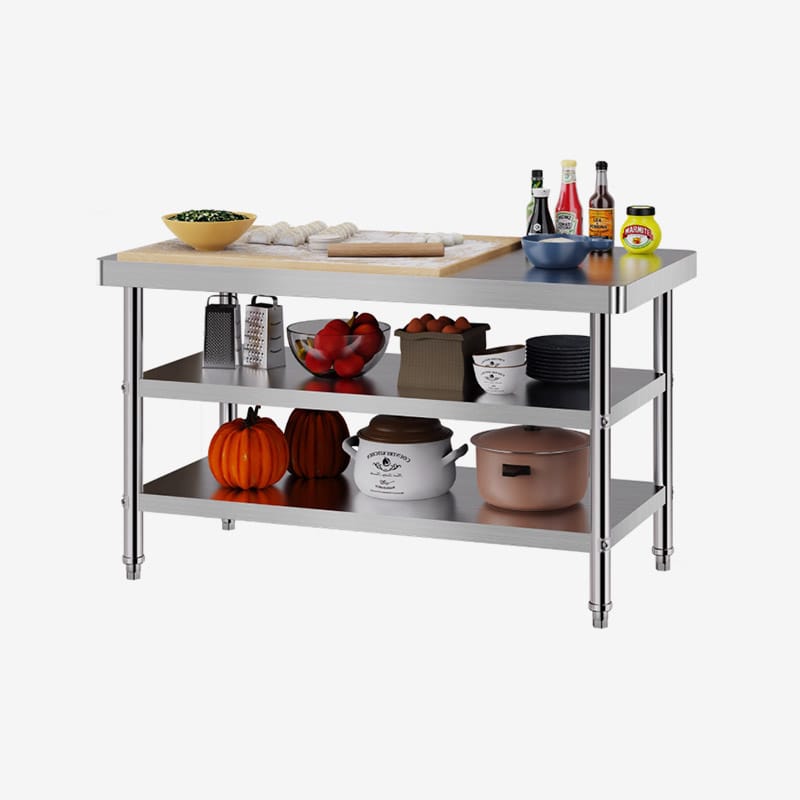
Bar workbenches must support rapid cleaning without disrupting service.
Daily Cleaning
Wipe surfaces frequently during service
Remove sticky residues promptly
Dry surfaces to prevent water spots
End-of-Shift Cleaning
Clear all items from the workbench
Sanitize surfaces thoroughly
Inspect joints and undersides
Long-Term Care
Avoid abrasive cleaners
Inspect for loose components
Maintain level footing
Stainless steel tolerates frequent cleaning when handled correctly.
Cost Efficiency and Long-Term Value
While stainless steel bar workbenches may cost more initially than basic counters, their durability and efficiency often result in lower long-term costs.
| Factor | Basic Counter | Stainless Steel Bar Workbench |
|---|---|---|
| Durability | Moderate | High |
| Cleaning time | Longer | Shorter |
| Visual consistency | Low | High |
| Replacement frequency | Higher | Lower |
Improved service speed and reduced downtime contribute directly to revenue.
Placement Strategy for Optimal Bar Flow
Where you place a bar workbench affects service rhythm.
Best practices include positioning workbenches where drinks are assembled most frequently, avoiding obstruction of guest interaction areas, ensuring clear paths between stations, and aligning equipment logically with workflow.
Conclusion
Stainless steel bar workbenches are not simply furniture choices. They are operational tools that directly influence service speed, cleanliness, and staff efficiency. In environments where seconds matter and appearance is part of the experience, a well-designed bar workbench supports both performance and professionalism.
If your bar operation is growing, struggling with workflow, or preparing for higher service volume, reassessing your workbench setup is one of the most practical improvements you can make.
FAQ
What is the main advantage of stainless steel bar workbenches?
They support fast service, easy cleaning, and long-term durability in wet, high-traffic environments.
Are stainless steel bar workbenches suitable for small bars?
Yes. Their compact, high-function design is especially useful in limited spaces.
Do bar workbenches need special maintenance?
Properly designed models can support ice bins, blenders, and glass racks without issue.
How long should a stainless steel bar workbench last?
With normal use and maintenance, it can last many years in commercial service.
Are stainless steel surfaces too cold for bar work?
In bar environments, temperature sensitivity is rarely an issue compared to bakeries.