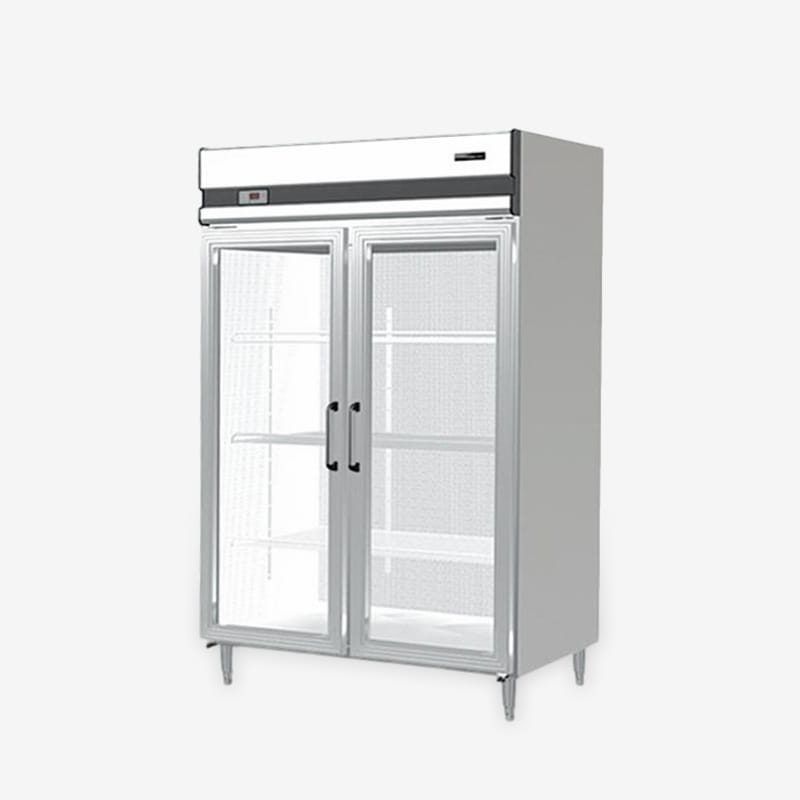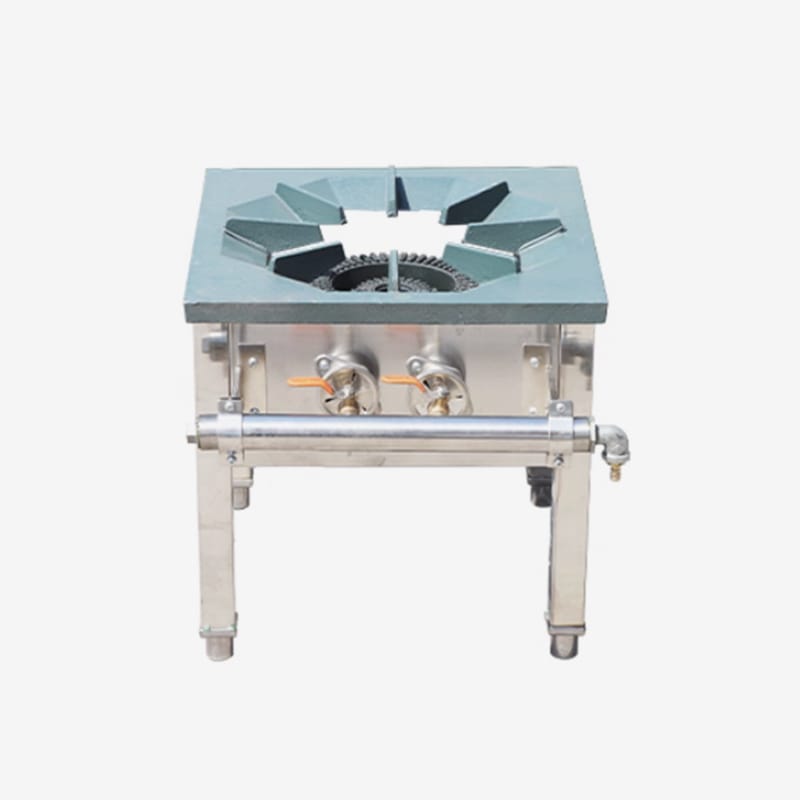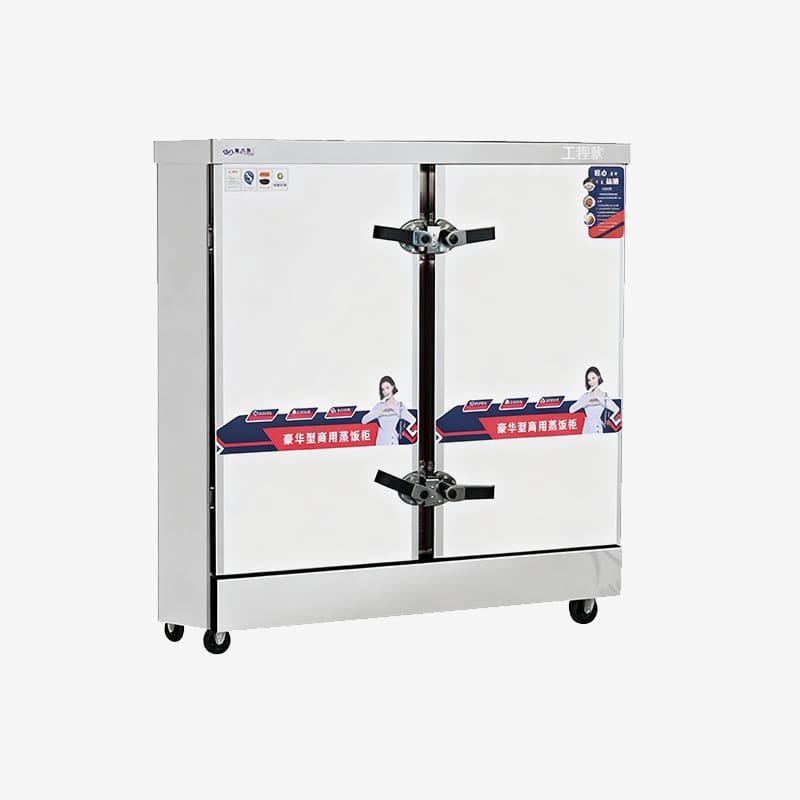
Keputusan pengukus beras komersial gas vs listrik mempengaruhi instalasi, perencanaan utilitas, waktu batch, operasi staf, dan efisiensi dapur jangka panjang. Untuk pembeli proyek, pencarian pengukus beras komersial gas vs listrik biasanya dimulai dengan pertanyaan sederhana, tetapi keputusan akhir mempengaruhi alur kerja, instalasi, pembersihan, pengiriman, dan biaya operasi jangka panjang. Artikel ini menjelaskan cara mengevaluasi pengukus beras komersial gas vs listrik dalam proses pengadaan B2B praktis.
Bafang berfokus pada peralatan dapur stainless steel komersial untuk restoran, hotel, sekolah, kantin pabrik, rumah sakit, distributor, dan kontraktor dapur. Tujuannya adalah untuk membantu pembeli menghubungkan steamer beras komersial gas vs listrik dengan kebutuhan dapur nyata daripada memilih peralatan hanya dengan foto katalog.
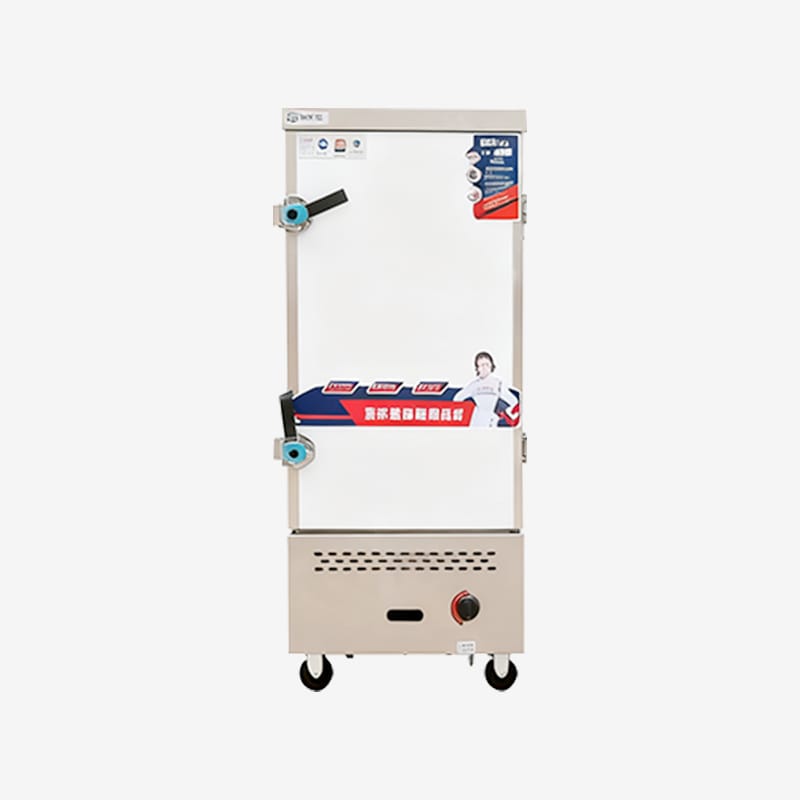
Mengapa Keputusan Ini Penting
Dapur komersial adalah sistem kerja. Area pencucian, persiapan, memasak, pendinginan, penyimpanan kering, layanan, dan sanitasi semuanya saling mempengaruhi. Jika uap beras komersial gas vs listrik dipilih tanpa mempertimbangkan rencana dapur yang lebih luas, hasilnya bisa berupa pergerakan staf yang buruk, pembersihan yang sulit, ruang yang terbuang, atau peralatan yang tidak dapat mendukung layanan puncak.
Untuk alasan ini, keputusan harus ditinjau dengan menu, volume makanan, tata letak proyek, utilitas yang tersedia, harapan layanan makanan lokal, dan jadwal pengiriman. Sebuah restoran kecil dan kantin sekolah besar mungkin menggunakan nama produk yang serupa tetapi membutuhkan spesifikasi yang sangat berbeda.
Mulailah dengan Kebutuhan Pembeli
Sebelum meminta penawaran, siapkan lembar persyaratan singkat untuk pengukus beras komersial gas vs listrik. Ini membantu pemasok memahami proyek dan mengurangi komunikasi berulang. Lembar persyaratan harus menjelaskan aplikasi, kuantitas, ukuran yang diharapkan, bahan pilihan, negara tujuan, dan apakah penyesuaian diperlukan.
- Jenis dapur dan volume layanan yang diharapkan
- Ruang instalasi dan arah alur kerja yang tersedia
- Persyaratan grade material, ketebalan, dan permukaan akhir
- Kondisi gas, listrik, air, drainase, atau ventilasi
- Persyaratan tenggat waktu pengemasan, ekspor, dan pengiriman
Bandingkan Spesifikasi, Bukan Hanya Nama Produk
Ungkapan gas vs uap beras komersial listrik dapat mencakup model, dimensi, struktur, dan tingkat kinerja yang berbeda. Pembeli harus membandingkan spesifikasi yang dapat diukur: kelas stainless steel, ketebalan lembaran, struktur yang dilas, ukuran yang dapat digunakan, konfigurasi aksesori, kapasitas, drainase, daya, dan kemasan.
Pemasok profesional harus menjelaskan mengapa satu spesifikasi lebih cocok dengan proyek daripada yang lain. Jika uap beras komersial gas vs listrik direkomendasikan tanpa menanyakan tata letak dapur atau kondisi pengoperasian, rekomendasinya mungkin terlalu umum.
Tabel Perbandingan Pembeli
| Titik keputusan | Apa yang harus dikonfirmasi | Mengapa penting |
|---|---|---|
| Model gas | Pasokan gas yang stabil dan ventilasi yang sesuai | |
| Model listrik | Kapasitas listrik yang cukup dan kontrol sederhana | |
| Kantin sekolah | Kapasitas baki tinggi dan periode makan tetap | |
| Dapur restoran | Batch fleksibel dan jejak terbatas |
Detail Bahan dan Konstruksi
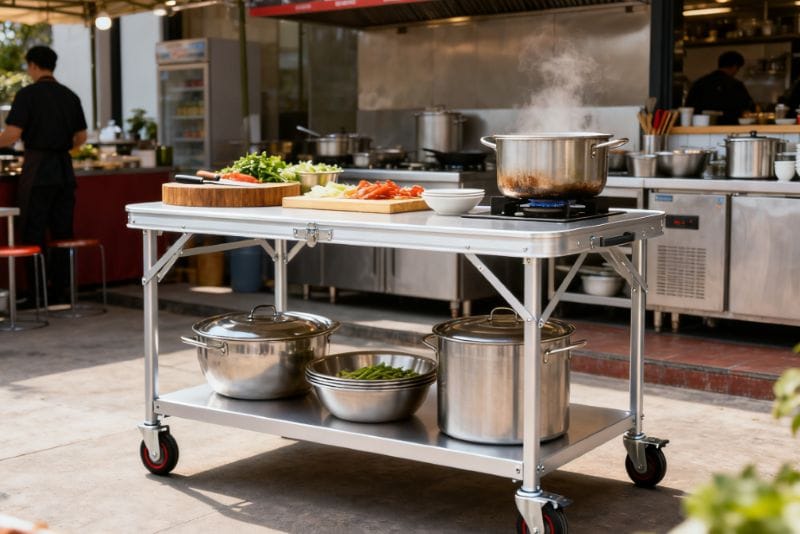
Dapur komersial mengekspos peralatan untuk kelembaban, uap, panas, lemak, bahan kimia pembersih, beban berat, dan gerakan staf berulang. Saat mengevaluasi opsi peralatan, tanyakan tentang kelas stainless steel, penguatan bingkai, pengelasan selesai, perawatan tepi, kaki yang dapat disesuaikan, kastor, rak, papan pembuangan, dan aksesori lainnya.
Untuk area basah dan permukaan kontak makanan, ketahanan korosi dan kebersihan harus diperlakukan sebagai persyaratan inti. Untuk penyimpanan kering atau area tugas yang lebih ringan, pembeli mungkin memiliki lebih banyak fleksibilitas, tetapi spesifikasinya masih perlu ditulis dengan jelas dalam kutipan.
Cara Mengevaluasi Pemasok
Pemasok di balik pengukus beras komersial gas vs listrik sama pentingnya dengan produk itu sendiri. Tanyakan apakah perusahaan memproduksi peralatan secara langsung, langkah produksi mana yang diselesaikan sendiri, dan bagaimana kualitas diperiksa sebelum pengiriman. Produsen langsung sering dapat mendukung gambar, sampel, dimensi khusus, dan pesanan berulang secara lebih konsisten.
Bafang memasok berbagai macam
Kustomisasi dan Opsi OEM
Produk standar tidak cocok untuk setiap dapur. Banyak pembeli membutuhkan dimensi yang disesuaikan, tata letak mangkuk yang berbeda, jarak rak khusus, opsi tegangan, label logo, tanda kemasan, atau gambar khusus proyek. Ketika pengukus beras komersial gas vs listrik harus sesuai dengan tata letak tetap, penyesuaian dapat mengurangi masalah pemasangan dan meningkatkan penggunaan sehari-hari.
Bafang mendukung
Pembersihan, Keamanan, dan Kepatuhan
Keputusan yang baik pada pengukus beras komersial gas vs listrik juga harus mempertimbangkan pembersihan dan keamanan pangan. Peralatan harus memiliki permukaan yang dapat diakses, ketinggian kerja praktis, tepi halus, dan struktur yang mendukung sanitasi sehari-hari. Pembeli dapat meninjau konsep sanitasi umum dari
Untuk proyek ekspor, kepatuhan tergantung pada jenis produk dan pasar tujuan. Jangan menganggap satu sertifikat cukup untuk setiap negara. Tuliskan standar dan dokumen yang diperlukan ke dalam permintaan kutipan setiap kali pengukus beras komersial gas vs listrik adalah bagian dari proyek yang diatur.
Kesalahan Pembelian Umum
Banyak masalah pengadaan terjadi karena pembeli membandingkan hanya foto produk yang terlihat atau harga terendah. Untuk pengukus beras komersial gas vs listrik, ini dapat menyebabkan dimensi yang salah, struktur yang lemah, pembersihan yang sulit, kapasitas yang tidak sesuai, atau kemasan yang tidak bertahan dalam pengiriman jarak jauh.
- Memilih gas tanpa memeriksa ventilasi
- Memilih listrik tanpa mengkonfirmasi kapasitas daya
- Membandingkan hanya harga beli
- Mengabaikan kapasitas baki dan waktu servis
- Melupakan persyaratan instalasi lokal
Tautan Internal untuk Perencanaan Lebih Lanjut
Ketika membandingkan opsi steamer beras komersial gas vs listrik, cocokkan kabinet dengan garis memasak dan kondisi utilitas yang sebenarnya. Mulailah dengan Bafang’s kategori kabinet kukus beras dan bandingkan lemari pengukus nasi satu pintu untuk pekerjaan batch. Untuk konteks keselamatan yang lebih luas, periksa Kode Makanan FDA Dan Panduan keamanan restoran OSHA sebelum menyelesaikan spesifikasi pengukus beras komersial gas vs listrik.
Pertanyaan yang Sering Diajukan
Mana yang lebih baik, pengukus beras komersial gas atau listrik?
Pilihan yang lebih baik tergantung pada pasokan gas, kapasitas listrik, tata letak dapur, volume batch, dan aturan pemasangan lokal.
Apakah steamer beras listrik lebih mudah dipasang?
Mungkin lebih mudah jika kapasitas daya mencukupi, namun tegangan, frekuensi, dan beban masih harus dipastikan.
Apakah pengukus beras gas baik untuk kantin?
Model gas dapat bekerja dengan baik ketika pasokan gas, ventilasi, dan kontrol keselamatan direncanakan dengan benar.
Apa yang harus saya tanyakan sebelum membeli?
Tanyakan tentang kapasitas baki, metode pemanasan, ukuran kabinet, bahan, kontrol keamanan, dan akses pembersihan.
Bisakah Bafang menyesuaikan lemari pengukus beras?
Ya. Bafang dapat membahas kuantitas baki, jenis pemanas, ukuran, tegangan, jenis gas, dan kemasan.
Minta Penawaran Proyek
Jika Anda mengevaluasi pengukus beras komersial gas vs listrik untuk restoran, hotel, kantin sekolah, dapur pabrik, rumah sakit, program distributor, atau proyek dapur komersial, kirimkan Bafang daftar peralatan Anda, dimensi target, volume layanan, negara tujuan, dan persyaratan penyesuaian. Tim dapat meninjau detail dan menyiapkan kutipan praktis.