Table of Contents
Introduction
In every commercial kitchen, storage is a cornerstone of efficiency. From bulk ingredients and cookware to appliances and utensils, everything needs to be organized, accessible, and safe. Heavy-duty stainless steel kitchen shelves provide the perfect solution. They combine durability, hygiene, and flexibility, making them indispensable in restaurants, hotels, catering kitchens, and food production facilities.
Heavy-duty shelves are not just about holding items—they help optimize workflow, reduce clutter, and maintain food safety standards. In this article, we will explore the benefits of these shelves, types available, maintenance tips, cost considerations, and real-world applications to help kitchen operators make informed decisions.
Why Heavy-Duty Stainless Steel Shelves Are Essential
Commercial kitchens operate at high intensity. Multiple chefs work simultaneously, appliances are constantly in use, and storage areas face heat, moisture, and frequent cleaning. In such an environment, ordinary shelving may warp, rust, or fail under heavy loads. Heavy-duty stainless steel shelves solve these problems by offering stability, strength, and long-term reliability.
These shelves allow kitchens to store heavy pots, pans, bulk ingredients, and small appliances without fear of sagging or collapsing. Their non-porous stainless steel surfaces resist bacteria growth, making cleaning and sanitization quick and effective. By keeping ingredients and tools organized and within reach, staff can work more efficiently, reducing prep time and improving overall kitchen productivity.
Key Advantages of Heavy-Duty Stainless Steel Shelves
Durability: Designed to handle heavy loads and continuous use, stainless steel shelves maintain their shape and strength over years of daily operation.
Hygiene: Non-porous surfaces prevent liquid absorption and bacterial growth. Shelves meet food safety standards and are easy to sanitize.
Corrosion Resistance: Stainless steel resists moisture, steam, and cleaning chemicals, making it suitable for wet or humid kitchen areas.
Easy Maintenance: Routine cleaning with mild detergent and warm water is sufficient. Stainless steel requires minimal upkeep compared to wood or plastic shelves.
Versatility: These shelves can be freestanding, wall-mounted, or wire-style. Adjustable shelves allow customization for different storage needs.
Types of Heavy-Duty Stainless Steel Shelves
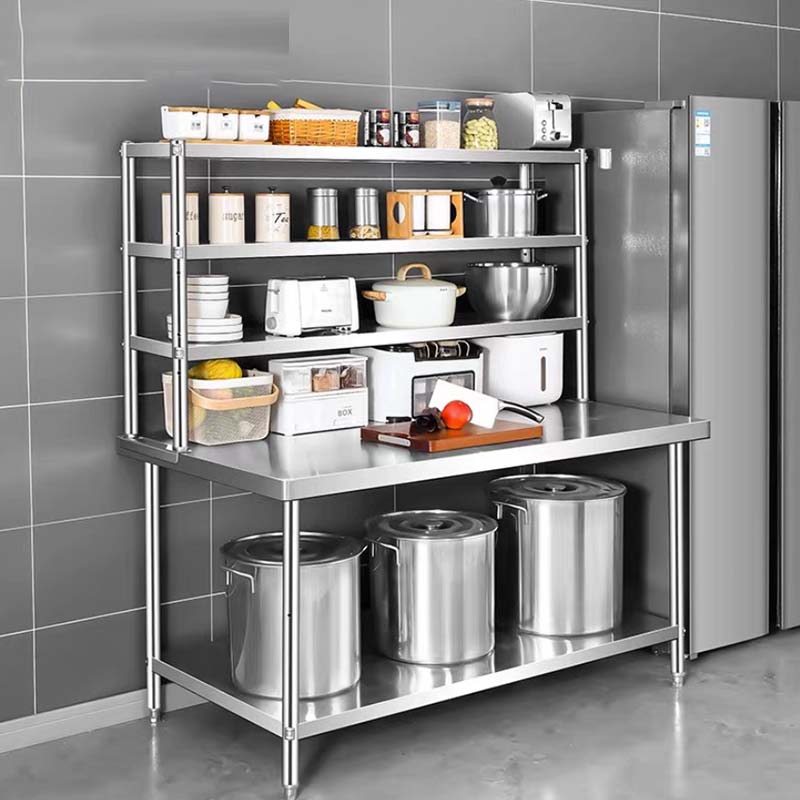
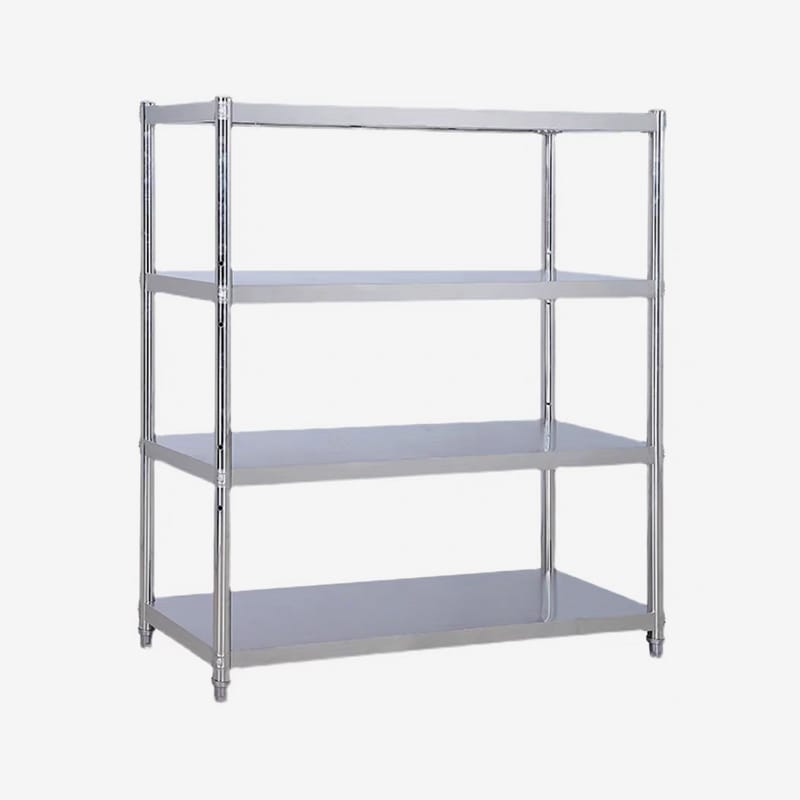
Freestanding Shelving Units: These multi-tier shelves sit on the floor and are perfect for storing heavy cookware, bulk food containers, and small appliances. Adjustable tiers allow for flexibility in organizing items of varying heights.
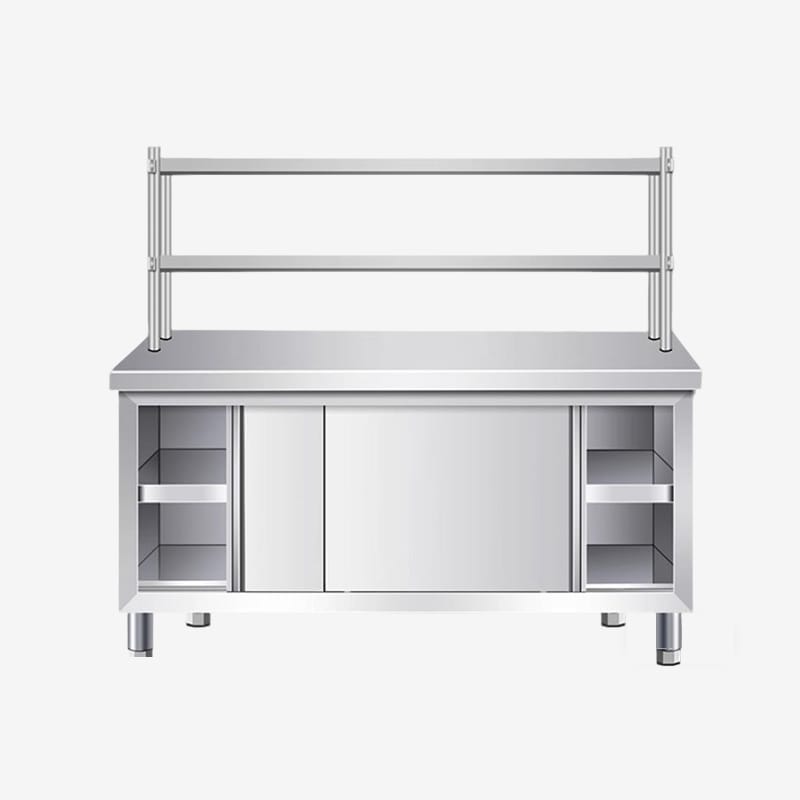
Wall-Mounted Shelves: Ideal for saving floor space, these shelves are installed above prep stations or countertops. They provide easy access to frequently used tools and ingredients while keeping surfaces clear.
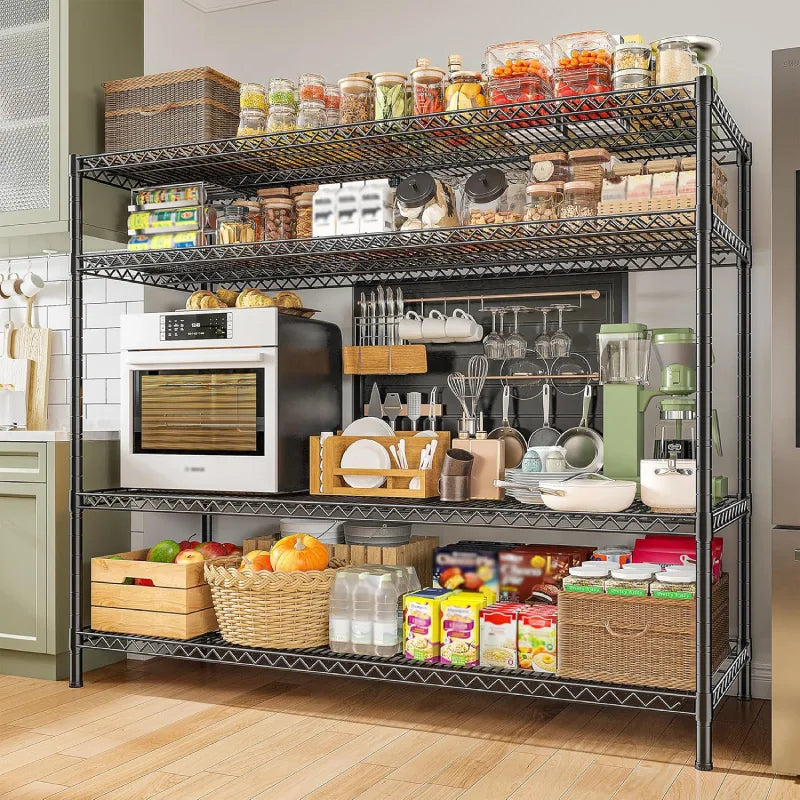
Wire Shelving Units: Open wire shelves provide excellent airflow, which is essential for dry storage or refrigeration areas. The design minimizes moisture buildup and is easy to clean.
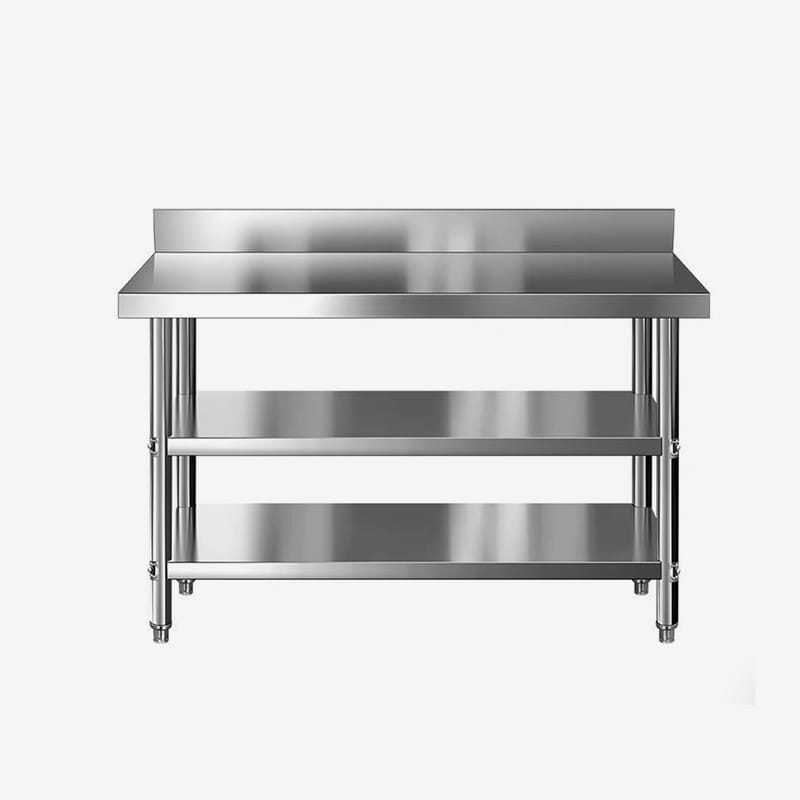
Solid Stainless Steel Shelves: Best for extremely heavy loads, these shelves are reinforced and capable of holding dense equipment or stacked storage containers safely.
Load Capacity and Structural Stability
One of the most critical factors in selecting a kitchen shelving system is load capacity. Heavy-duty stainless steel shelves can support hundreds of pounds per tier. Multi-tier units with reinforced frames allow kitchens to store bulk ingredients, large pots, and small appliances safely.
Stability is equally important. Shelves with adjustable feet ensure balance on uneven floors, while wall-mounted units must be anchored properly to prevent wobbling. Proper installation enhances safety and protects staff from potential accidents.
Hygiene and Food Safety Considerations
Maintaining a clean kitchen is mandatory for both compliance and customer safety. Stainless steel shelves are naturally resistant to bacteria and mold, thanks to their smooth, non-porous surfaces. They are easy to wipe down and disinfect daily.
Wire-style shelves improve air circulation, preventing moisture accumulation and mold growth, which is particularly beneficial in refrigerated storage. Properly maintained stainless steel shelving supports rigorous food safety standards in both dry and wet areas of the kitchen.
Applications Across Commercial Kitchens
Restaurants: Freestanding and wall-mounted stainless steel shelves help store ingredients, utensils, and cookware close to workstations, improving efficiency.
Hotels & Catering Kitchens: Heavy-duty shelving supports high-volume storage, accommodates large appliances, and maintains organization for quick service.
Food Processing Facilities: Stainless steel meets strict hygiene standards and withstands continuous use, making it ideal for industrial food production.
Cloud Kitchens & Central Kitchens: Modular shelving allows for flexible layout changes as operations scale, helping optimize workflow and storage capacity.
Cold Storage & Walk-In Freezers: Stainless steel performs well in low temperatures and humid conditions, making it suitable for refrigerated and frozen goods storage.
Maintenance Tips
Maintaining heavy-duty stainless steel shelves is simple:
- Clean daily with warm water and mild detergent.
- Dry surfaces after cleaning to prevent water spots.
- Avoid abrasive materials that may scratch the surface.
- Periodically check for loose bolts, anchors, or frame supports.
- For wall-mounted units, ensure brackets and screws remain secure.
With regular care, these shelves remain functional and visually appealing for many years.
Cost and ROI
Although stainless steel shelves have a higher upfront cost than plastic or wood alternatives, they provide long-term value. Their durability, low maintenance requirements, and resistance to damage minimize replacement costs over time.
Investing in heavy-duty stainless steel shelving enhances kitchen efficiency, safety, and organization. Over a 5–10 year period, the return on investment is substantial compared to lower-quality alternatives.
How to Choose the Right Shelving System
When selecting shelves, consider:
- Space: Measure available floor and wall space to ensure a proper fit.
- Load Requirements: Determine maximum expected weight per tier.
- Shelf Type: Freestanding, wall-mounted, wire, or solid stainless steel.
- Adjustability: Adjustable shelves provide flexibility as storage needs change.
- Construction Quality: Opt for thick gauge stainless steel and reinforced frames for heavy loads.
- Supplier Reliability: Work with a trusted supplier like bafangit.com to ensure quality, customization options, and long-term support.
Conclusion
Heavy-duty stainless steel kitchen shelves are indispensable for commercial kitchens that require durability, hygiene, and efficiency. They support heavy loads, resist corrosion, are easy to maintain, and optimize kitchen workflow. From restaurants to hotels, catering, and food processing facilities, stainless steel shelving ensures that storage is organized, safe, and reliable.
Investing in quality stainless steel shelves is not just a practical choice—it is a long-term strategy for operational efficiency, staff productivity, and food safety.
FAQ
Why are heavy-duty stainless steel shelves preferred in commercial kitchens?
They offer superior durability, hygiene, corrosion resistance, and ease of cleaning, making them ideal for high-use environments.
Are these shelves suitable for cold storage?
Yes, stainless steel performs well in low temperatures and humid environments, including walk-in freezers.
How much weight can heavy-duty stainless steel shelves hold?
Depending on design and gauge, shelves can support hundreds of pounds per tier.
Can wall-mounted shelves be safely installed?
Yes, provided they are anchored securely into solid walls or studs.
How long do these shelves last?
With proper maintenance, stainless steel shelves can last many years in demanding commercial environments.