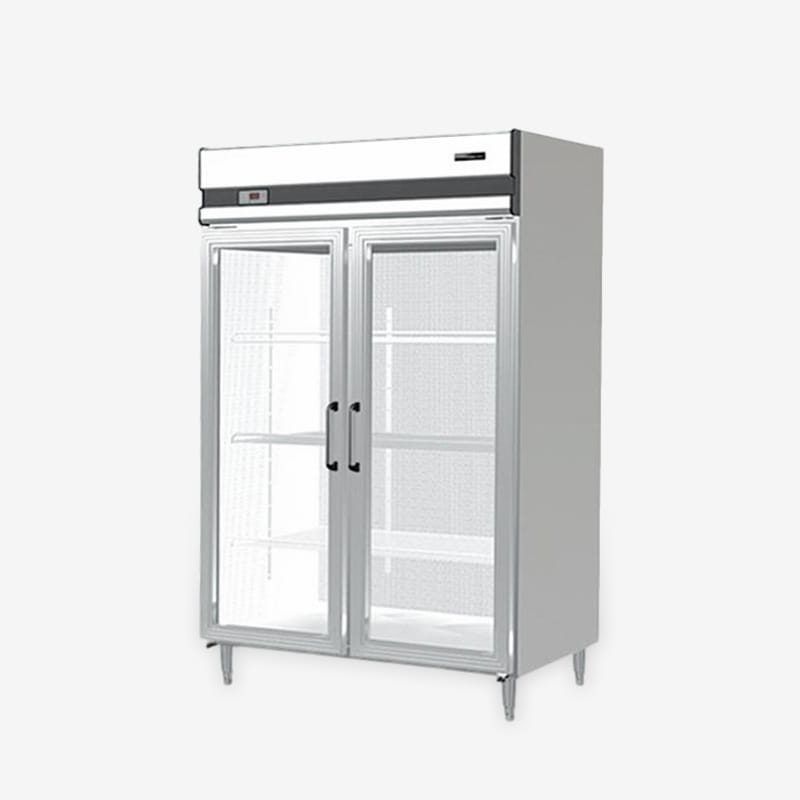
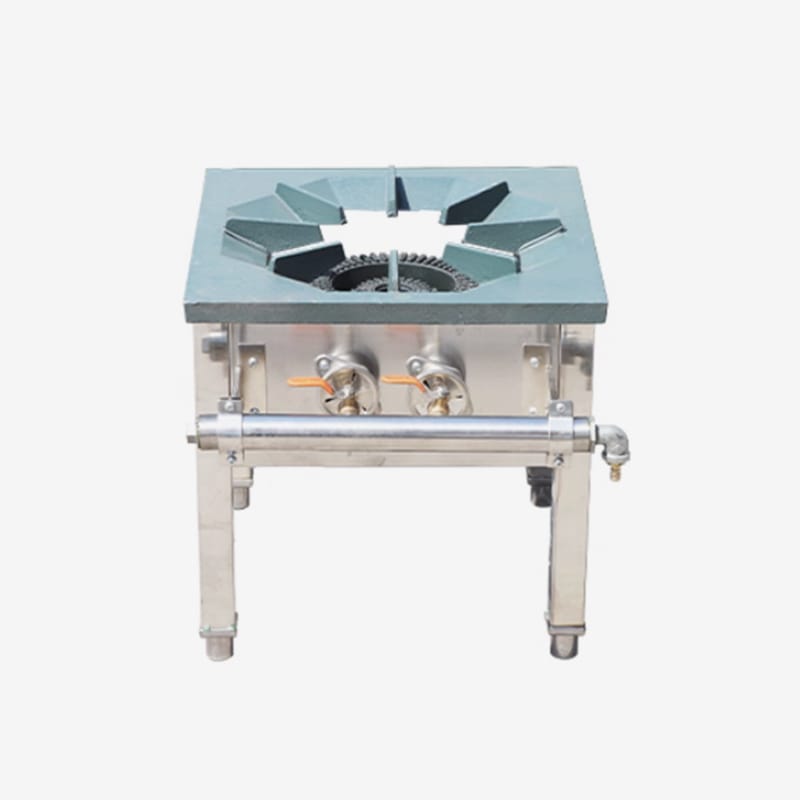
A 3-tier stainless steel table should be selected around real kitchen workflow, not only a catalog photo. For restaurants, prep rooms, and compact foodservice spaces, the right equipment supports combining work surface and storage layers while keeping staff movement predictable. This guide explains how to choose a 3-tier stainless steel table by capacity, layout, material, cleaning access, and daily operating habits.
Start With the Workload
Before comparing models, define what the 3-tier stainless steel table must handle during the busiest part of the day. Count the items, batches, trays, pans, or stored goods that move through the station. A small kitchen may need a compact footprint, while a high-volume canteen may need more capacity and faster access. The best 3-tier stainless steel table supports the actual workload instead of forcing staff to work around the equipment.
Also review the peak service pattern. Some operations need steady use throughout the day, while others need heavy output in short meal periods. If the 3-tier stainless steel table is undersized, staff will queue, improvise, or overload nearby tables. If it is oversized, it may consume space that should be reserved for preparation, storage, or cleaning.
Plan Placement and Movement
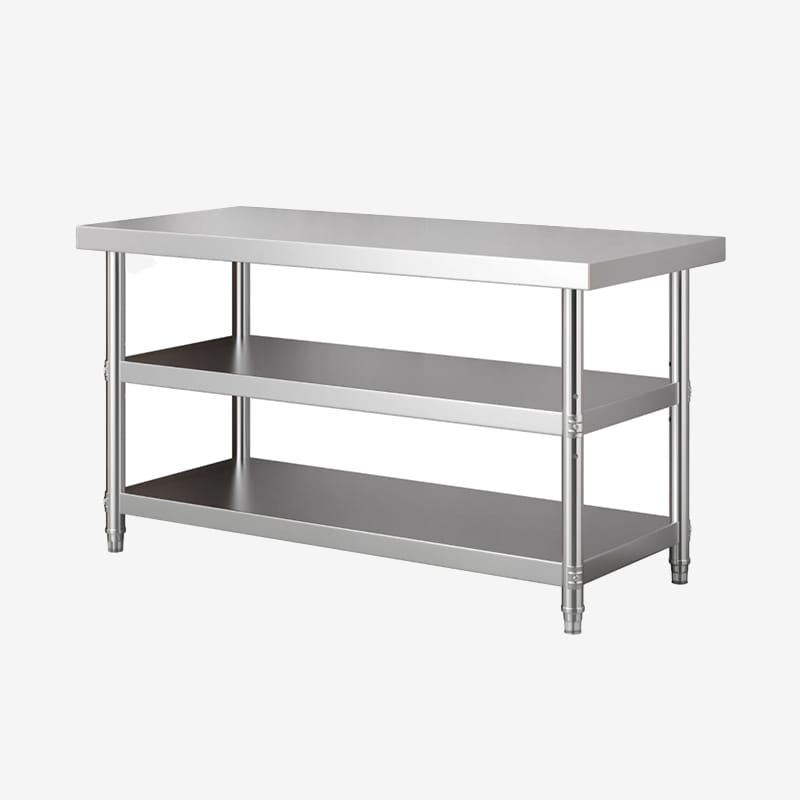
Placement determines whether the 3-tier stainless steel table improves workflow or creates friction. It should sit near the tasks it supports, with enough aisle space for staff to load, unload, clean, and inspect it. When equipment is placed without considering movement, clean items may cross dirty paths or staff may carry heavy loads farther than necessary.
Look at the full path around the 3-tier stainless steel table. Ingredients, tools, dishes, or stored items should move naturally from one station to the next. Nearby stainless steel work tables, sinks, carts, and shelves can make the 3-tier stainless steel table more useful when they are arranged as one system. This planning is what turns equipment into a practical production station.
Check Construction and Cleaning
Foodservice equipment must be durable, cleanable, and stable under repeated use. Stainless steel is widely used in professional kitchens because it resists corrosion and is easy to wipe when maintained correctly. For background on the material, the stainless steel overview explains why this material family is common in demanding environments.
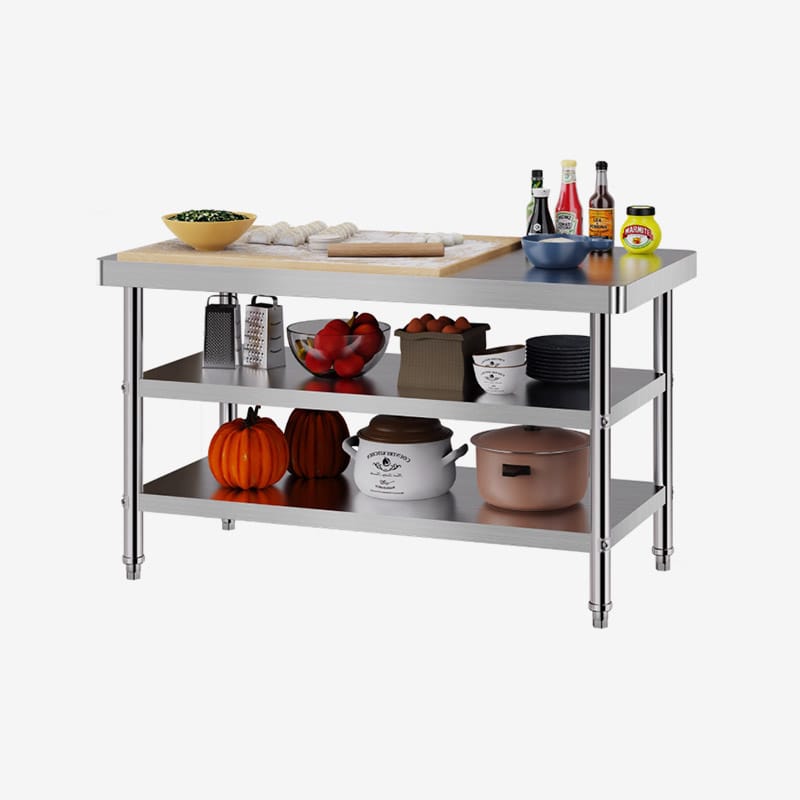
For a 3-tier stainless steel table, inspect edges, corners, supports, shelves, handles, legs, and contact surfaces. Cleaning access should be simple enough for every shift to follow. If residue can collect in hidden corners, or if staff cannot reach the surfaces easily, the equipment will become harder to maintain over time. General foodservice sanitation principles can be checked against resources such as the FDA Food Code.
Buying Checklist
| Check point | Why it matters |
|---|---|
| Real peak workload | Confirms the 3-tier stainless steel table has enough practical capacity |
| Placement and aisle space | Reduces unnecessary carrying and crossing traffic |
| Stainless steel construction | Supports durability and cleaning routines |
| Daily maintenance access | Keeps the station easier to inspect and wipe |
Buyers should also review documentation, utility requirements, floor conditions, and the surrounding equipment layout before ordering. A 3-tier stainless steel table may look correct in isolation but still perform poorly if it is difficult to install, clean, or reach during service. The safest choice is the model that fits the room, the staff, and the production rhythm.
It is also worth asking how the team will use the station after the first month. New equipment often works well during installation week because staff are paying attention. Long-term value comes from simple routines: clear loading rules, assigned cleaning responsibility, enough space for inspection, and a layout that makes the correct process easy to repeat. These practical details reduce confusion between shifts and help managers keep daily operations consistent.
Procurement teams should document these expectations before confirming the order. Note the room size, aisle width, cleaning schedule, staff responsible for the station, and the items that will move through the area each day. This record helps compare models more objectively and gives suppliers clearer information when they recommend sizes, structures, or accessories. It also helps future managers understand why the equipment was chosen, which reduces random changes to the workflow after installation.
Final Recommendation
The right 3-tier stainless steel table should make daily work easier, cleaner, and more predictable. Start with the workload, confirm the movement path, check stainless steel construction, and make sure staff can clean the equipment without special effort. For restaurants, prep rooms, and compact foodservice spaces, a well-planned 3-tier stainless steel table can deliver more usable storage in a fixed footprint and support a more organized kitchen.